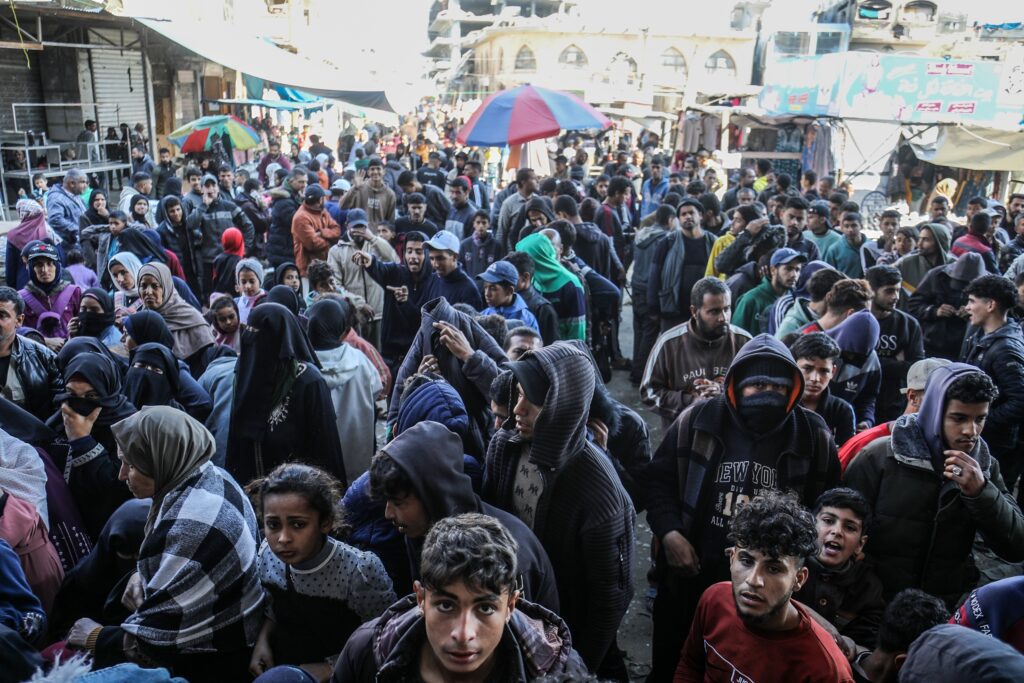

Feckless Palestinian leadership fuels unnecessary suffering in Gaza
February 24, 2012 | Allon Lee
Did you hear the one about the shipments of fuel from Egypt to Gaza stopped by Hamas because they refused to let them pass through the Israeli crossing at Rafah?
No? Well, that’s because stories of Palestinian suffering caused by Hamas and Fatah rarely make the grade in most Australian and Western newsrooms. It’s a case of news editors saying: “No Israel angle? Then there’s nothing to see here folks”…
Egypt and the NGOs
February 24, 2012
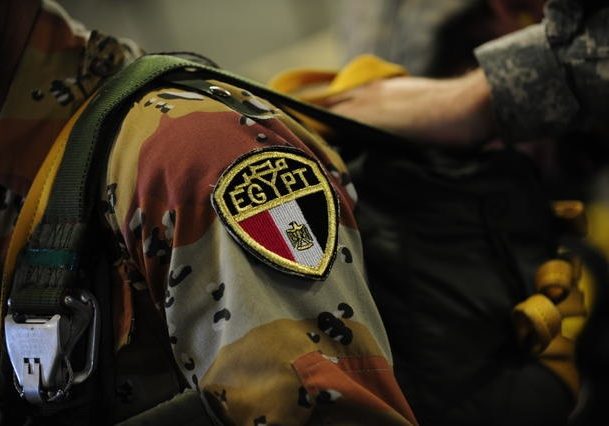
This Update features two pieces on the crisis between Egypt and the US sparked by the Egyptian government’s crackdown on pro-democracy NGOs in the country, and more importantly, what these events say about Egypt’s potential for progress toward genuine liberal democracy.
Stephen McInerney, director of the Project on Middle East Democracy, discusses the politics of the NGO case in some depth and makes a strong case that the future of Egyptian civil society may be at stake. He details the clear disingenuousness of the claims against the NGOs, and the way Fayza Abul Naga, minister of planning and international cooperation, is clearly using the case – along with a strategy of brinksmanship – to promote her agenda, with at least the acquiescence of the ruling military council, SCAF…
Iran’s nuclear scientists are no civilians
February 23, 2012 | Daniel Meyerowitz-Katz
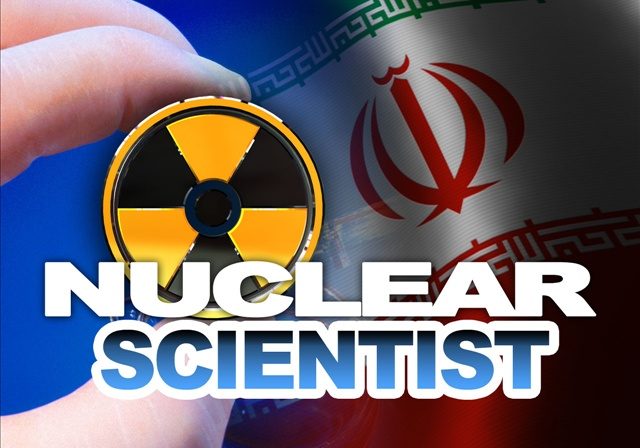
Following the recent deaths of Iranian nuclear scientists, a number of people seem to have not only attributed their killings to Israel, but also condemned them as the murder of “innocent civilians” or even “terrorism” (for an explanation of why the killings may not have been Israel, see Iran expert Emanuele Ottolenghi — soon to be visiting Australia — here). The characterisation of the scientists connected to Iran’s nuclear program as “civilians”, however, is false. The International Atomic Agency report on Iran’s nuclear program released late last year detailed extensively how the Iranian nuclear program falls under Iran’s military complex, summarised in the image below…
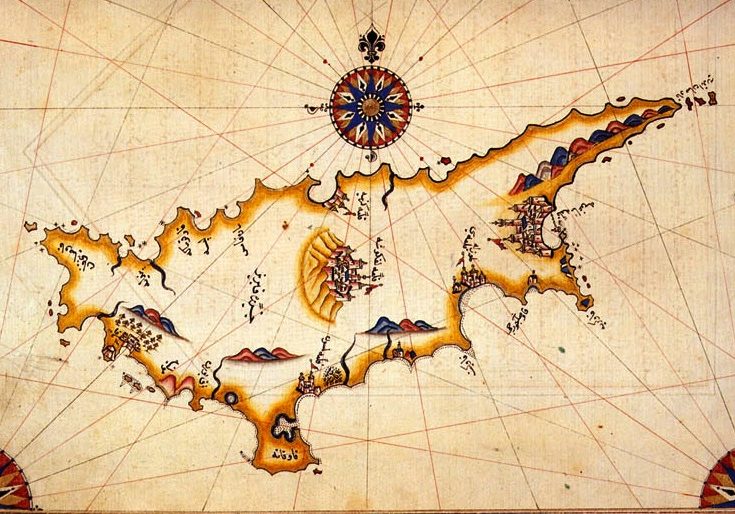
Cyprus and Israel: Perennial wallflowers share a dance
February 22, 2012 | Ahron Shapiro
Binyamin Netanyahu’s meeting with Cypriot President Demetris Christofias in Nicosia on February 16 – the first for any Israeli Prime Minister – was not only historic, but likely strategically important for the futures of both Mediterranean countries, which are finding in recent years an increasing number of shared interests.
Once, such a visit would have been difficult to imagine. While Netanyahu said during his visit that warming ties between Israel and Cyprus was a reflection of the “natural relationship” between the two countries, Cyprus and Israel have never been as close as they are now…
The psychology of Iran’s rulers and their nuclear plans
February 22, 2012
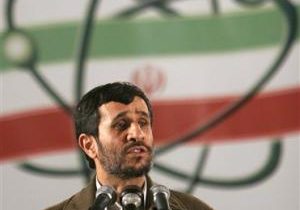
This Update includes two new pieces by experts attempting to explain how Teheran views the current nuclear standoff – a vital piece of the puzzle if policies are to be implemented to influence the behaviour of Iran’s leaders.
First up is Ray Takeyh of the US Council on Foreign Relations, who points out that the primary reason the leaders of the Iranian regime believe they need nuclear weapons is because, for historical reasons, they both see themselves as the “natural hegemons” of the region, and are a revolutionary regime, whose purpose is to export their revolution to other countries…

Fisking Four Corners: getting the facts straight on Syria, Israel and Iran
February 21, 2012 | Daniel Meyerowitz-Katz
Last night, ABC’s Four Corners program focussed on the uprising in Syria. The program mostly featured a British Channel Four documentary on the Assad regime’s systematic torture of Syrian opposition-members, including children, which gave a shocking insight into the events besetting Syrians opposed to their government’s policies. The program ended, however, with host Kerry O’Brien interviewing notorious Middle-East correspondent Robert Fisk for 15 minutes in which Fisk was essentially given a pedestal to promulgate his views unchallenged…
Media silent as African Union helps Sudanese president to flaunt genocide indictment
February 20, 2012 | Daniel Meyerowitz-Katz
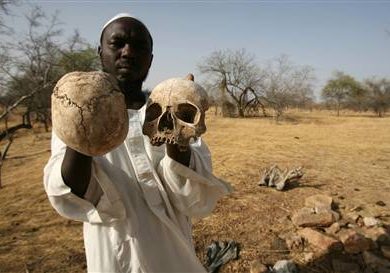
In a story that has been largely ignored by the Western press, the African Union (AU) is flexing every international legal muscle it can find in order to protect Sudanese dictator Omar al-Bashir from his indictment on charges of crimes against humanity by the International Criminal Court (ICC). Bashir has recently travelled to ICC signatories Chad, Kenya, Djibouti and Malawi without being arrested, despite being wanted for genocide…
India, the Delhi bombing and Iran sanctions
February 20, 2012 | Ahron Shapiro
The bomb attack on an Israeli diplomat’s car in New Delhi on February 13 by suspected Iranian operatives has opened a national debate among Indian commentators and lawmakers over the country’s close trading ties to Iran.
Unlike China, Iran’s other major trading partner, India maintains a close relationship with Israel as a top client of the Israeli defence industry, adding a layer of complexity to the situation…

Sticks and stones
February 17, 2012 | Daniel Meyerowitz-Katz
The large crash sounded like something very big and heavy had fallen, hard – at least for those of us at the front of the bus. One friend at the back had grabbed his girlfriend and gone for cover, the loud bang and shattering glass made him think of a gunshot. Thankfully, we were not under fire. We were, however, under attack.
We were 13 Australian students on a tour through Arab East Jerusalem, there to learn about the situation in which the local population finds itself. Our bus was a clearly marked tour bus (albeit from an Israeli company) of a kind that is hardly rare in one of the world’s most popular cities for tourists. We had nothing at all to identify us as anything other than Western tourists and, at that moment, we were between stops and not even paying much attention to our surroundings. What, then, motivated a local youth with an impressive arm to hurtle rocks at us as we drove past?

Conspiracy Theories and the Arab Spring
February 17, 2012
This Update focuses on the growing prevalence of conspiracy theories that seem to be coming out of countries affected by the Arab Spring, especially Egypt, and the possible consequences.
First up is Washington Institute scholar David Schenker, who looks at the background to the Egyptian decision to prosecute 16 US citizens who lead NGOs in Egypt for accepting foreign funding to promote democracy. This decision risks the loss of $1.3 billion in annual aid from the US which Egypt desperately needs in order to import food for its citizens, but Egyptians overwhelmingly want this aid to end anyway…