IN THE MEDIA
I survived Bondi. Now a royal commission is critical
December 30, 2025 | Arsen Ostrovsky
Australian Financial Review – 30 December 2025
Two weeks ago, like hundreds of other Jewish Australian families, we went to the Chanukah by the Sea festival at Bondi Beach.
We were expecting kids’ rides, donuts and a joyous celebration.
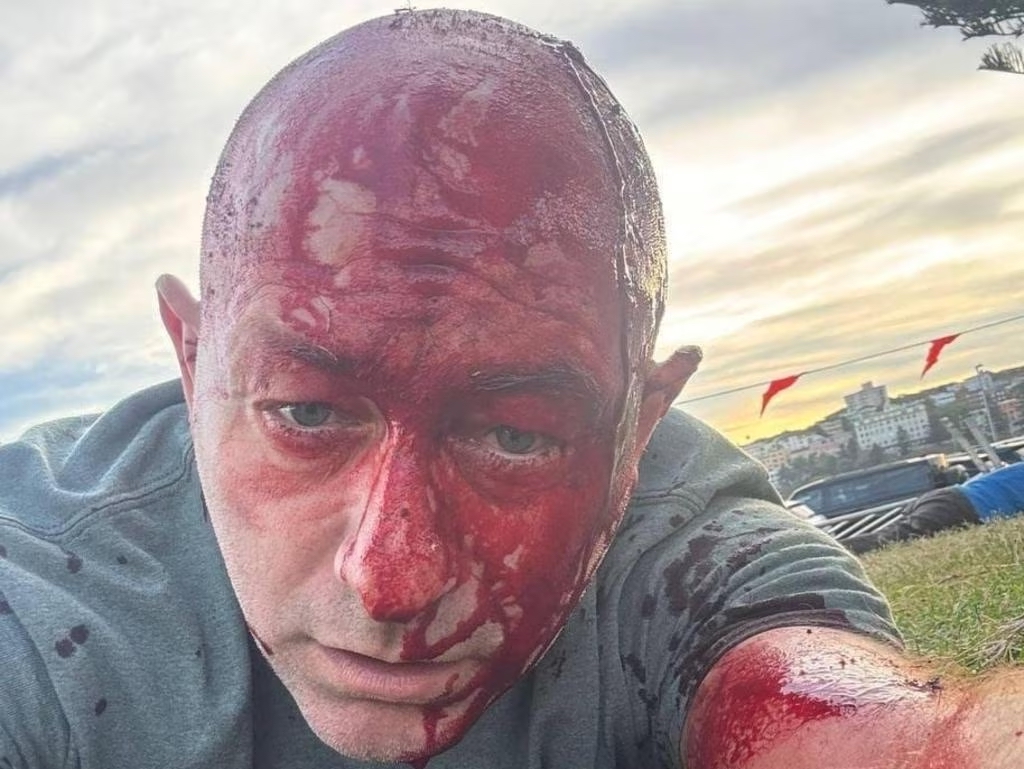
Instead, we were met with a hail of bullets from two bloodthirsty terrorists. My wife and children were lucky to escape, while I got hit in the head by a bullet.
My doctors say my survival was a miracle, with only millimetres between life and death; however 15 other people, including 10-year-old Matilda, were murdered in this evil rampage.
It is imperative to recognise that this attack did not occur in a vacuum. It took place against the backdrop of an unprecedented surge in antisemitism across Australia. For more than two years, and with growing urgency since October 7, 2023, Jewish organisations and community leaders have warned that when hatred is allowed to fester, excused, normalised or mainstreamed, it inevitably leads to violence.
Bondi was the deadly manifestation of the failures to heed these calls.
Today, once again rebuffing pleas for a royal commission by victims and survivors of the Bondi attack, together with Jewish organisations and leading political and legal figures, Prime Minister Anthony Albanese announced the terms of the government’s review into the attack, to be led by Dennis Richardson AC. The review is meant to assess the role of federal law enforcement and intelligence agencies.
However, with all due respect to Richardson and his impeccable credentials, the terms and mandate of this review are woefully inadequate.
The Bondi massacre was not merely a failure of intelligence, but a wholesale failure of leadership across the board.
As we mourn the innocent lives lost in Bondi, we must do more than grieve. We must ask hard questions about how we arrived at this moment, whether we are prepared to confront the forces that made it possible and expose the root causes of systemic antisemitism in Australia.
That is why a royal commission is critical.
Antisemitism in Australia is no longer sporadic or marginal. It is systemic, entrenched and part of mainstream society. It manifests in firebombed synagogues, death threats against Jewish leaders, attacks against our schools and violence online. It is a relentless campaign of intimidation, hatred and incitement that has not only left many Jewish Australians afraid to visibly express their identity, but is tearing the very fabric of our society apart.
I know that fear personally. Surviving Bondi has only sharpened my awareness of how vulnerable our social fabric has become when hatred is allowed to fester unchecked.
To be clear, recent actions by Commonwealth and state governments are welcome. The adoption of recommendations from the special envoy to combat antisemitism, however delayed, as well as increased security funding for Jewish schools and synagogues, and new laws criminalising prohibited symbols and strengthening hate crime provisions are important steps.
But they are not enough. Australians, and first and foremost the victims’ families and survivors, deserve to know not just what happened, but how it was allowed to happen.
If the horrors of Bondi are not to be repeated, it must become a transformational turning point, and that starts with a royal commission.
As the highest form of public inquiry, a Commonwealth royal commission into antisemitism must be empowered to examine the drivers and enablers of antisemitism in Australia. It should assess failures across our political leadership, education systems, public administration and civil society. It must rigorously evaluate whether law enforcement and judicial responses to hate speech and incitement are fit for purpose. It must shine a light on the sources of funding, coordination and influence that sustain extremist ideologies.
And it must also examine why over two years of warnings and pleas for action by the Jewish community went largely unheeded by the government.
Australia has used royal commissions in the past to confront uncomfortable truths, from institutional abuse to banking and beyond. Antisemitism, which corrodes social cohesion and threatens public safety, deserves nothing less.
Jewish Australians are not seeking special treatment. We are not asking for exemptions or privileges. We are asking for the most basic right in any democracy: to live without fear, as every Australian is entitled to.
The prime minister has spoken often about social cohesion and national unity. This is the moment for leadership to match rhetoric. Establishing a Commonwealth royal commission into antisemitism would send an unequivocal message that hatred targeting one community is an assault on our nation as a whole.
Bondi should never have happened. We owe it to those who lost their lives, and those like me who survived this horror, to safeguard Australia’s democratic values and our shared future, and ensure that the conditions which allowed such hatred to grow are confronted, exposed and never allowed to repeat.
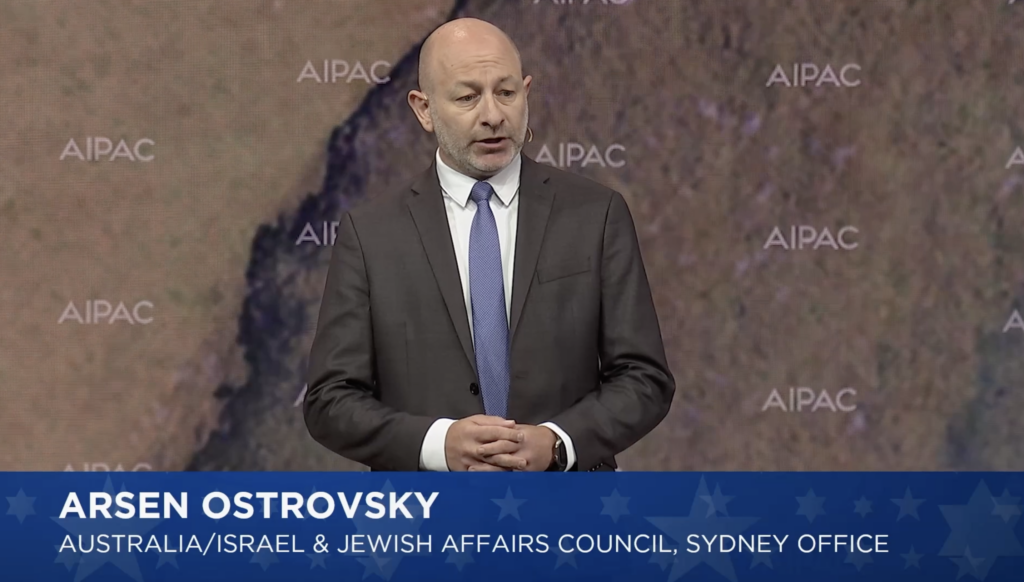
Arsen Ostrovsky is the incoming head of AIJAC’s Sydney office.
Tags: Antisemitism, Royal commission, Terrorism