IN THE MEDIA
A moment of moral clarity
March 5, 2026 | Justin Amler
Australian Jewish News – 5 March 2026
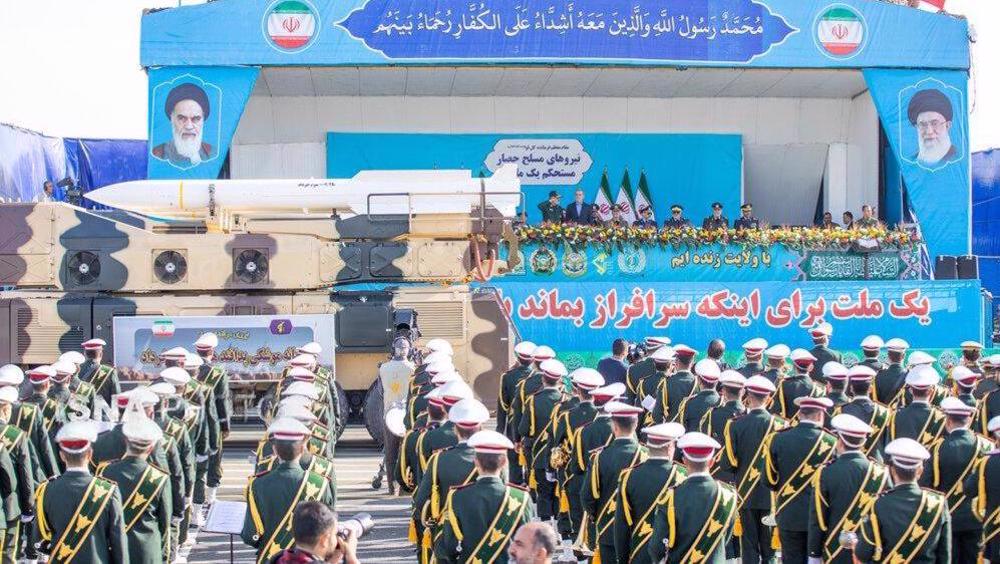
In a region filled with so many threats, none stands higher than the Islamic Republic of Iran. After Ayatollah Khomeini seized power in 1979, Iran transformed from a Western-aligned monarchy into a Islamist theocracy with an explicitly anti-Western ideology and an expansionist, revolutionary mission.
Women were forced into compulsory hijab under the watch of the morality police – enforcement that has led to arrests, beatings and deaths, including that of Mahsa Amini in 2022. LGBTQ individuals face imprisonment and execution. Political dissent was met with brutal suppression.
Before the revolution, Iran’s relationship with Israel had been pragmatic, marked by intelligence cooperation, energy ties and even direct flights between Tel Aviv and Tehran.
But in the 47 years since, eternal enmity has been a fundamental doctrine of the regime.
It declared Israel’s existence illegitimate, a violation of God’s will, referring to it only as the “Zionist entity” while vowing to wipe it off the face of the Earth.
This was not just talk.
Iran built what it calls an “axis of resistance” – what much of the West recognises as an axis of terror – funding and arming proscribed terror organisations including Hezbollah, Hamas and the Houthis as part of a deliberate strategy to encircle Israel in a “ring of fire”.
Australia has recognised the threat posed by the regime as well, expelling the Iranian ambassador in 2025 and proscribing the Iranian Revolutionary Guard Corp, after intelligence agencies linked the regime to violent incidents on Australian soil, including the firebombing of a Melbourne synagogue and a Sydney kosher restaurant.
Just two of the many terror plots it sponsored included the 1983 bombing in Beirut of the US Marine Barracks that killed over 240 US Marines and the 1994 bombing of the AMIA Jewish Community centre in Buenos Aires that left 85 people dead – up until the October 7, 2023, that was the deadliest single-day antisemitic attack since World War 2.
This is why Iran is regarded as the foremost state sponsor of terrorism.
The prospect of such a regime acquiring nuclear weapons capability, along with its existing ballistic missile capabilities, should raise very serious concerns for every country that values stability and international order.
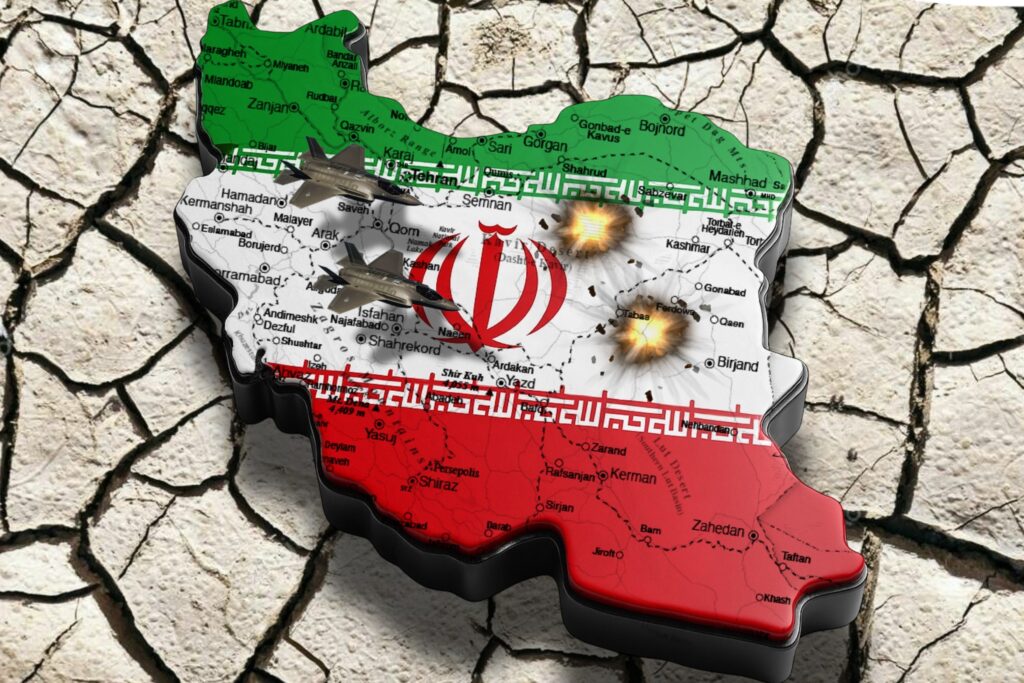
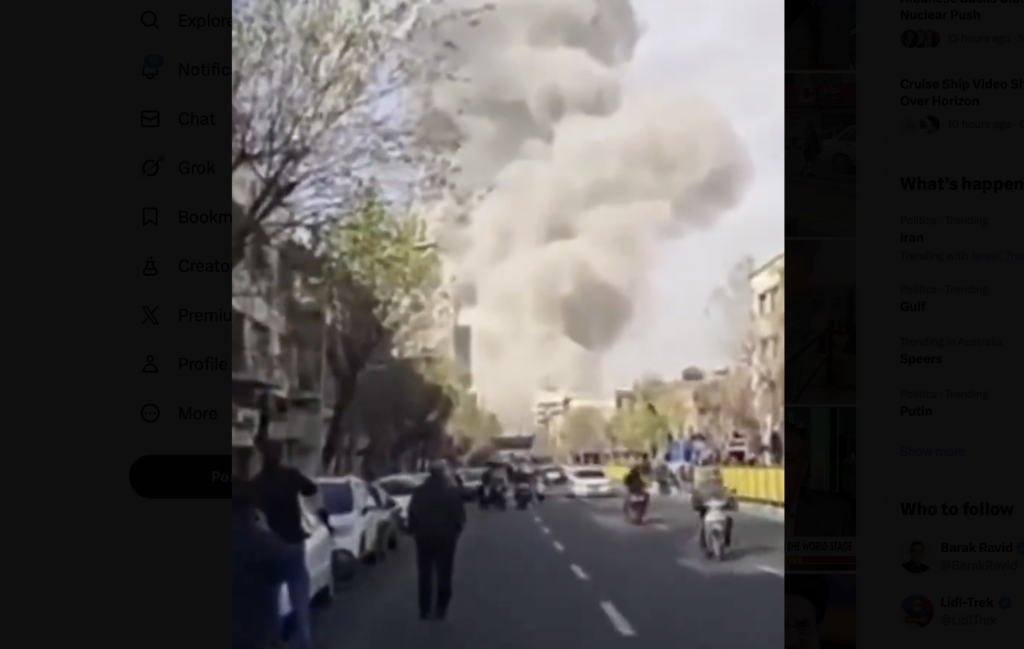
Thus, the eruption of open confrontation this past weekend should not have surprised anyone paying attention. The trajectory leading to the current conflict has been visible for decades.
Iran represents an external and existential threat to the State of Israel, but also a severe threat to the wider world – including especially its Arab neighbours.
Even now, Iranian missiles are striking hotels, airports and embassies in Gulf states – more indiscriminate Iranian aggression.
For decades, the regime had focussed on funding and supporting terror proxies, even as its own people suffer, with cities running out of water and infrastructure falling apart.
It has reportedly murdered tens of thousands of its own people who dared to stand against its ruling regime.
This is what ideological absolutism looks like – religious fervour overriding governance, pragmatism and the welfare of a nation’s own people.
The October 7 massacre was a great example of this. Hamas – funded, trained and armed by Iran – invaded Israel and murdered over 1,200 Israelis and kidnapped 251 more. Israel’s military response led to the destruction of much of Gaza, leaving it in ruins with many thousands of people dead. And yet Hamas has shown no remorse, considering the price worthwhile, vowing to repeat such attacks.
Iran has never hidden its intentions. It states them openly. Iranian leaders have repeatedly led chants of “Death to Israel” and “Death to America,” slogans embedded in the regime’s revolutionary identity.
Iran has been in a state of war against Israel and the US for decades already. What’s more in 2024, Iran fired over 500 ballistic missiles directly at Israel, so when critics claim attacks on Iran violate international law, they ignore the same legal principles they cite against Israel. Of top of all of Iran’s other aggressions, these attacks clearly started a state of war which has not been ended by any peace agreement or formal ceasefire, providing a clear legal basis for the US and Israel to continue to act in self-defence under the UN Charter.
Importantly, this is not a war against the Iranian people. Iranians have risked their lives to resist the very regime now at the centre of this confrontation. The struggle is not civilisation versus nation – it is free societies versus a revolutionary ideology that has declared permanent war on all of them. That’s why many ordinary Iranians have been dancing in the streets celebrating the end of Ali Khamenei’s era of fear.
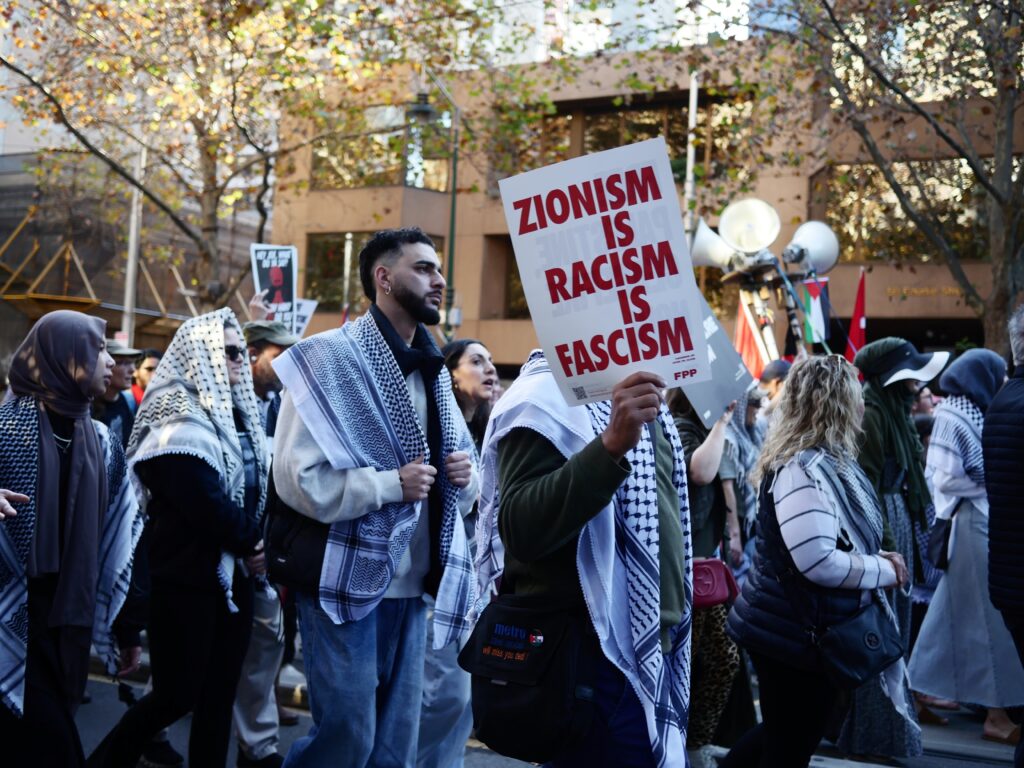
But missing from those celebrations are the Western ‘human rights’ activists whose silence is deafening. Their absence suggests, once again, that their movement was never about the ‘peace’ or ‘justice’ they chant for – it was always about an obsessive, singular opposition to Israel.
No one wants war, but sometimes war is needed to stop an even greater evil. In a world full of moral fog, this should be a moment of moral clarity.
Justin Amler is a policy analyst at the Australia/Israel & Jewish Affairs Council (AIJAC).
Tags: Gulf states, Iran, Israel, Middle East, United States