IN THE MEDIA
Interfaith relations after Bondi
February 3, 2026 | Rabbi Ralph Genende
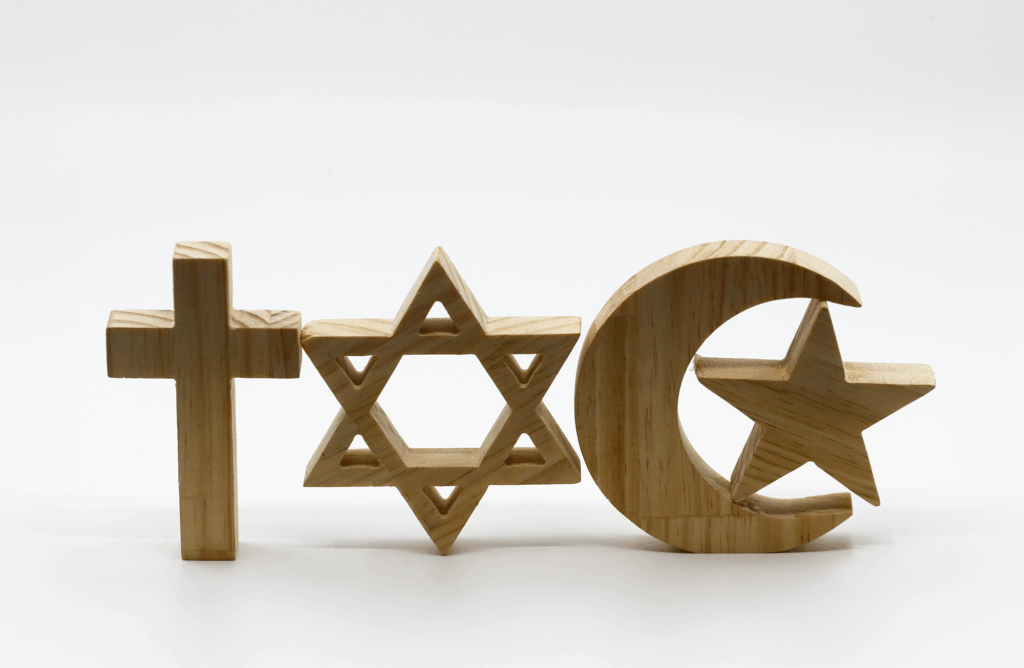
Some religious leaders believe Bondi may change the discourse, but there are difficult conversations outstanding between Muslims and Jews.
The Jewish Independent – 2 February 2026
Since October 7 interfaith relations have been in crisis. Jewish-Muslim interactions, in particular, have stalled if not completely broken down. That’s certainly been our experience in Australia where antisemitism, fuelled in part by popular, often Muslim-led, pro-Palestinian protests, went through the roof and culminated in the horror of Bondi.
Since December 14, I have reflected on a few essential questions, which I have also posed to several Australian religious leaders: Do you think interfaith relationships have changed as a result of Bondi December 14? What still needs to change? What’s the future for interfaith and multicultural interactions in Australia?
Jewish-Christian relations
There were some common threads in responses from Jewish and Christian leaders who have been involved in interfaith relationships for many years.
The Melbourne Catholic Archbishop Peter Comensoli’s comment is reflective of the sentiment that there has been a shift in the interfaith space. “The horrifying and senseless massacre of innocent members of the Jewish community gathered on Bondi Beach to celebrate the festival of lights has drawn an even greater focus on the need for people of different faiths and cultural backgrounds to come together to build peace, to get to know one another better and, through this, learn to live in accord even with matters for which we have not reached a common mind.”
Similarly, Anglican Bishop Philip Huggins observed, “When something so awful happens as the Bondi terrorism, it does focus hearts and minds, at least for a while. It is therefore good that the intentions of the royal commission give a framework for the healing and strengthening of relationships through 2026.”
But meaningful relationships take time and investment, as JCCV CEO Naomi Levin noted.
Robyn Whitaker, Director of the Wesley Centre notes that Christianity has “ongoing work to come to terms with our own history of antisemitism… that continues to exist in churches… we desperately need education and conversation including an examination of the misinformation and conspiracy theories about Jews that fuel extremism.”
A widespread reset
After October 7 there was confusion and hesitancy in many interfaith interactions. Many well-meaning faith leaders (especially in the mainstream churches) found it hard to disentangle their sympathies for the suffering of citizens in Gaza and their compassion for the suffering of Israeli citizens and Jewish people across the world.
There was a failure to recognise that the anti-Zionism of the professional protesters was so very often a camouflage for anti-Judaism. There was also an undercurrent, even amongst friends, that we Jews were paranoid — or even worse, exploitative — of our suffering to gain public sympathy and support. They didn’t seem to see our loneliness or appreciate our feelings of abandonment. They didn’t seem to recognise our deep fears or the existential trauma of our people.
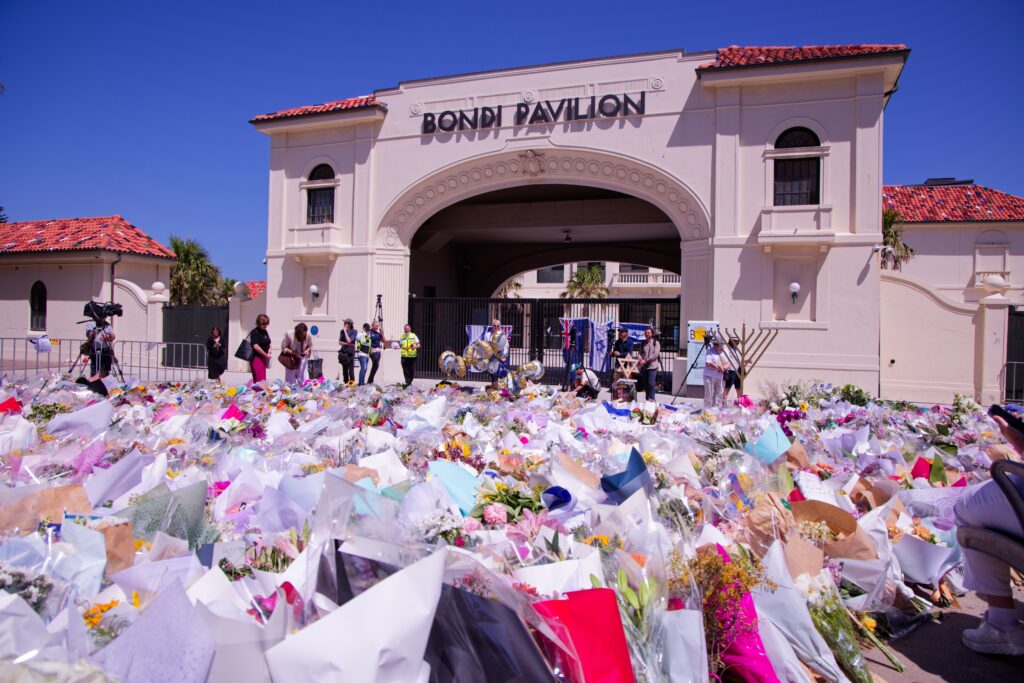
It feels different now. If something has emerged from the blood-stained beach at Bondi on December 14, it is surely a sea change amongst the Australian people. The prodigious outpouring of grief and support from ordinary Australians has been evident.
There are countless examples of local ministers and churches reaching out to synagogues, Jewish organisations and friends. At the interfaith vigil a few days after the massacre, I was deeply moved by the cross-section of Vietnamese and African communities, Sikh, Buddhist, Hindu and Bahai representatives standing together and opening their hearts to us.
Hindu leader Geeta Devi shared our grief, sorrow and resolve that “hate will not divide us and violence will not silence our faiths.”
What about the Muslims?
The question on the lips of many and certainly within the Jewish community has been: Have you had any Muslims, any imams, reaching out to you? And when Muslim organisations put out swift statements in responses condemning the attack, does that mean they will re-engage with interfaith?
The Jewish leaders involved in interfaith work that I have spoken to tell of many messages they received from their Muslim counterparts and friends. For my part, of the countless messages I received, a large number were from my Muslim contacts and colleagues. Some small examples:
From a Muslim friend: Dear Ralph, what a horrible thing to have happened. I feel sick to my stomach. I can’t imagine what you and your community are going through. Sending all my love and prayers.
From a senior imam: Hi Ralph, I know you’re all in pain and grief and it’s a rough road and traumatising situation. We offered some condolence visits as Imams to the Central Synagogue and a number of Rabbis in Sydney. Yes, the challenges remain – we pray for a peaceful life here and abroad, where we can all get along despite our differences.
Will these messages translate into pragmatic actions and a resumption of engagement between our faiths? Co-Chief Executive Officer of the Executive Council of Australian Jewry (ECAJ), Peter Wertheim, who has a long history of interfaith interaction, is sceptical. His reply to my first question of whether anything has changed was a terse “No, they were tense before and remain tense now.”
He believes there won’t be any real change until the Muslims “accept the internationally endorsed right of the Jewish people to determine their own future in their historic home” and stop trying to define us in their own terms.
Rabbi Zalman Kastel, one of Australia’s foremost champions of Jewish-Muslim dialogue says: “I think this (December 14) will prove to be a turning point… it is still unfolding. The future of Jewish-Muslim relations in Australia is still to be negotiated. I am cautiously optimistic but also concerned we really don’t know how this will unfold…”
I personally have moved from cautious optimism to hopeful pessimism. There are massive mountains to be climbed and many to be moved before Israel and Jews will come closer to Mohammed and vice versa.
Among these are Australian society recognising that antisemitism has a strong mainstream presence in what The Australian’s columnist Greg Sheridan calls our “progressive or centre-left culture”. Sheridan also suggests that, while most Muslims are not antisemites, antisemitism has a strong continuing presence in Islamic culture.
Rabbi Aron Lavi of Efrat’s international Ohr Torah Interfaith Centre is even more forthright on this point: “More and more leaders in the Muslim world understand that the Muslim Brotherhood and the Iranian Regime are their problem, putting their own communities at risk, and they need to stand up to it.”
He suggests that the main question we need to ask ourselves as Jewish leaders is, with whom do we work and who do we condemn and marginalise? “For too long”, he suggests, “the Jewish establishment has been fooled by fake interfaith dialogue… we need to be able to choose and cultivate the right partners, those for whom the Muslim Brotherhood is a common enemy.” Rabbi Nagen from Our Torah differentiates between ‘interfake’ and real interfaith relations.
I worry that demonisation of Zionist Jews and antisemitism is entrenched in Muslim schools, mosques and homes. I don’t believe there will be any real change until we can sit down together with our Muslim counterparts and have those really difficult, honest and frightening conversations about what divides us.
I don’t believe there will be any change until we know exactly what they are saying about us around their dinner tables, in the classrooms and in their mosques.
And this is a two-way street. As far as I know, our schools and shuls don’t teach or preach anti-Muslim hostility but I’m not so sure about the discussion around our Shabbat tables.
I’m also not naïve enough to believe that either all Jews or all Muslims are going to forgo their prejudice against one another.
Building a shared language
The Koran calls Jews “People of the Book” and a good part of the answer, as many have suggested, lies in education, adult education, school and university education and grassroots education.
Changes in interfaith relationships may need to start with the Jewish-Muslim relationship, but need to be far more wide-ranging. We live in a multicultural country where our community is just a tiny fragment of a large and diverse patchwork. We may be a very small community, but we have a very long history and have always shouldered a large responsibility and idealistic hope in creating a better society.
Jonathan Sacks, in his wise book, The Home We Build Together – well aware of current social breakdown and threats to liberal democracies – reminded us that:
“Society is the home we build together, Christians, Jews, Hindus, Sikhs, Muslims, atheists, agnostics and secular humanists. To do this we need a shared language. The democratic conversation must include all of us. We must be prepared to explain ourselves to one another, and to listen to one another.”
May 2026 be a year of deep listening and powerful actions.
Rabbi Ralph Genende is the Interfaith and Community Liaison at the Australia-Israel and Jewish Affairs Council. He is also Senior Rabbi to Jewish Care Victoria.
Tags: Antisemitism, Australia, Bondi, Interfaith Dialogue