IN THE MEDIA
Legal challenge to Israeli President’s visit: Colin Rubenstein on ABC Radio
January 30, 2026
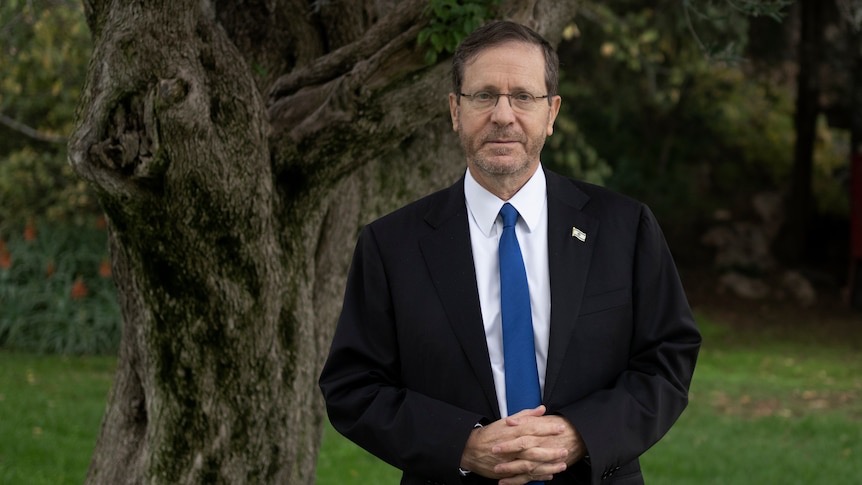
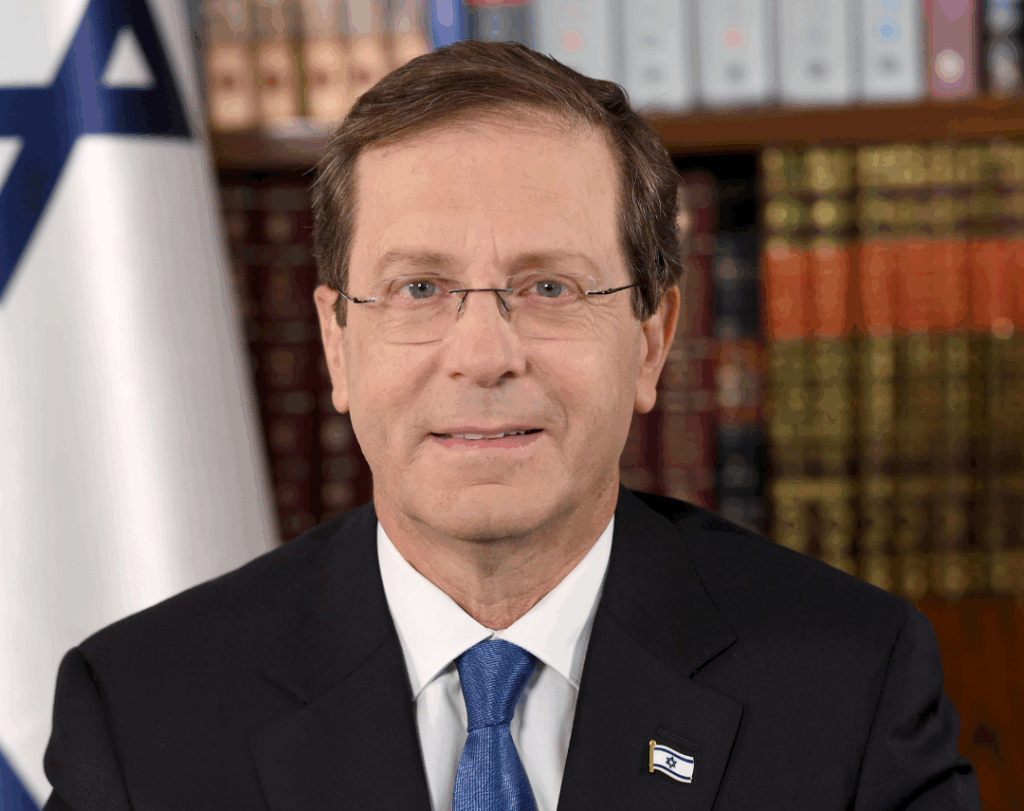
AIJAC’s Dr Colin Rubenstein commented in an ABC radio report by Andy Park on the legal challenge to Israeli President Herzog’s upcoming visit to Australia.
Some Jewish groups have welcomed plans for a visit from Israeli president Isaac Herzog next month, but a collection of Jewish and Muslim leaders say he should not be allowed in the country while he faces UN accusations of genocide.
- Sarah Schwartz, Jewish Council of Australia
- Dr Colin Rubenstein, Australia/Israel & Jewish Affairs Council
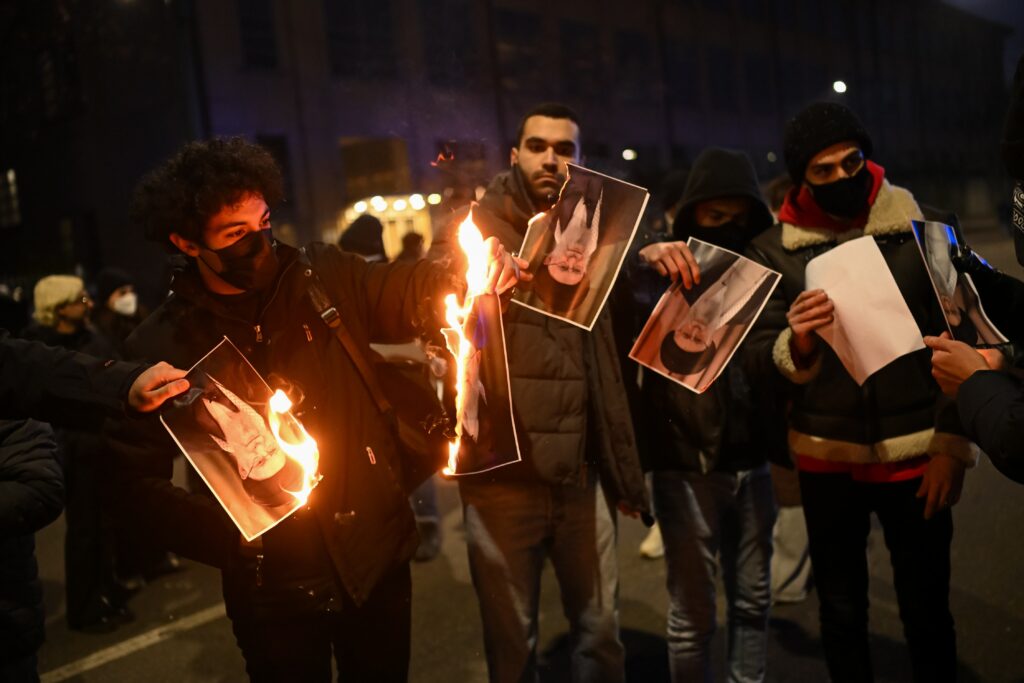
- Amal Nasser, Palestine Action Group
TRANSCRIPT
Andy Park: The Prime Minister has defended his invitation to Israeli President Isaac Herzog to visit Australia after Jewish and Muslim groups joined forces to launch a legal challenge in protest. Mr Herzog is due to visit next month, and Anthony Albanese has urged protesters to remain respectful during his visit.
Anthony Albanese: Australia’s not in a position to solve by ourselves the Middle East issues, and people don’t want conflict brought here. So I’d say that people should recognise the solemn nature of the engagement that President Herzog will have with the community of Bondi in particular and bear that in mind by the way that they respond over the coming weeks.
Andy Park: For more on this story, here’s Angus Randall.
Angus Randall: As Australia’s Jewish community grieved after the Bondi terror attacks, the federal government asked Israeli President Isaac Herzog to visit as part of the healing process. But before he even arrives, the invitation has already caused controversy and now a legal battle. Sarah Schwartz is from the Jewish Council of Australia.
Sarah Schwartz: The complaint sets out a number of different criminal offences both under Australian law and international law that could serve as the basis for an arrest warrant being issued to President Herzog upon his arrival. Because of these criminal offences that he could and should be charged with, we think it’s incumbent on the Australian government to rescind this invitation.
Angus Randall: Last year, a UN Human Rights Council special commission of inquiry into the war in Gaza found Israel was committing genocide and that Mr Herzog incited the commission of genocide in his comments following the Hamas October 7 attacks. He denies the allegations and Israel denies it’s conducting genocide in Gaza. Working alongside the Australian National Imams Council, the Jewish Council is calling on the Attorney General and Home Affairs Minister to refuse the Israeli President entry early next month.
Sarah Schwartz: There is a possibility that Mr Herzog will be subject to legal proceedings, for example, upon his entry into Australia. And that’s a possibility which I think is a very real one, which the Australian government needs to consider properly.
Angus Randall: So if the Minister for Home Affairs and the Attorney General doesn’t, I guess, agree with you, can you take this to other legal courts or is that sort of the end of it?
Sarah Schwartz: That’s something that both the Jewish Council, the National Imams Council, and my understanding is various other groups are considering in this moment and the legal avenues that are available to ensure that President Herzog is not treated as someone who is above the law.
Angus Randall: World leaders and diplomats are typically granted diplomatic immunity. However, this is rarely tested. Yesterday, Prime Minister Anthony Albanese said he welcomed the visit and that it will lead to a greater sense of unity. But Sarah Schwartz says Isaac Herzog’s visit is a risk to social cohesion.
Sarah Schwartz: The problem that Anthony Albanese has created is that now because he has invited President Herzog, he is inviting protests that are related to and will be tied to events related to the Bondi massacre.
Angus Randall: The Israeli President is expected to meet with survivors of the Bondi terror attack during the trip in early February. Dr Colin Rubenstein is the executive director of the Australia-Israel and Jewish Affairs Council.
Dr Colin Rubenstein: It’s a visit to convey condolences and solidarity to the Australian Jewish community in general and to the bereaved of Bondi of December 14 in particular, and many who were injured.
Angus Randall: He acknowledges the visit, if it goes ahead, will likely face protests, but argues that’s no reason to cancel.
Dr Colin Rubenstein: You don’t cave into bigotry and extremism. I mean, I think we’re heartened by the fact that Prime Minister Albanese is welcoming this visit and bringing into line many of his colleagues who are a little bit more equivocal about it.
Angus Randall: Amal Nasser is from the Palestine Action Group, which plans to hold a national day of protest during the President’s visit. She says it’s a huge blow to Australians like herself who’ve lost family in Gaza.
Amal Nasser: What does it say to a Palestinian in this country as we invite a head of state who watched genocide of our families take place?
Angus Randall: Overnight, the Israeli Defence Force said it accepts figures from the Gazan Health Ministry that more than 70,000 Palestinians have been killed since its assault on Gaza began in October 2023. Israel had previously called the death toll exaggerated.
Andy Park: Angus Randall.