IN THE MEDIA
Mass shooting on Sydney’s Bondi Beach: Jamie Hyams on NPR radio
December 16, 2025
NPR’s Steve Inskeep talks to Jamie Hyams, director of public affairs for the Australia Israel & Jewish Affairs Council, about the mass shooting at a Hanukkah celebration on Sydney’s Bondi Beach.
TRANSCRIPT
STEVE INSKEEP, HOST:
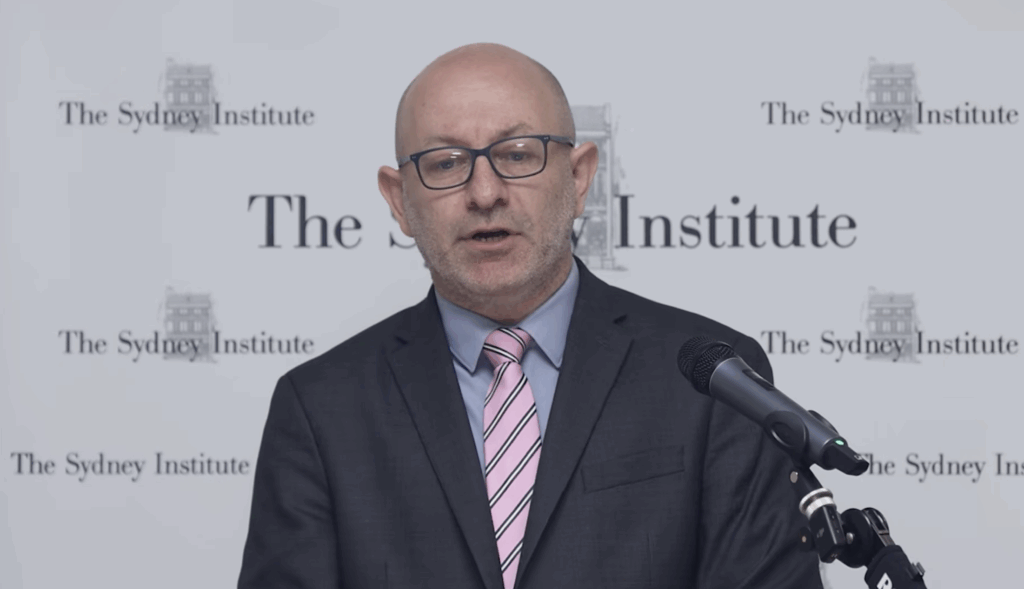
Next, we brought in Jamie Hyams, who is director of Public Affairs for the Australia, Israel and Jewish Affairs Council, and is on the line from Melbourne. Welcome to the program.
JAMIE HYAMS: Thank you, Steve.
INSKEEP: I’m trying to think about that moment yesterday across Australia. If it’s anything like here in the United States, I imagine people were gathering in synagogues, people were gathering in homes, children everywhere, families everywhere, and then this news spreads. What was that moment like?
HYAMS: Well, I was at a communal event at a racecourse in Melbourne to celebrate Hanukkah. It’s a big event. They usually have fireworks. They get upwards of, you know, 5,000 people there and news started filtering through, people were getting information on their – on the telephones. I was actually talking to our local member of the federal parliament, and he was getting information through. That was the first I heard of it. And so the crowd was obviously very subdued. And within a short period of time, it was announced that the event had been canceled, and everyone went home.
INSKEEP: Were you surprised?
HYAMS: You know, I’d like to say I was surprised, but really, I wasn’t. The Jewish community here has been warning our government and our authorities for two years now that something like this was almost likely to happen because of the upsurge in antisemitism and violent antisemitism that we’ve seen ever since the October 7 attacks in 2023. In the lead up to October 2023, the year leading up to that, there were 495 antisemitic incidents. The year after that, there were 2,062 across Australia and obviously many, many more unreported. And this year, it’s gone down slightly to 1,654.
But the nature of those attacks has been horrific as well. There’s an arson attack that burned down a synagogue. There have been other arson attacks on businesses on a kosher food restaurant in Sydney, you know, horrific graffiti, assaults. University students were advised they could take their exams at home if they felt unsafe going to their campus. Jewish school children were told if they were on an excursion, not to wear their school uniforms. So there’s been this atmosphere of incitement and hatred.
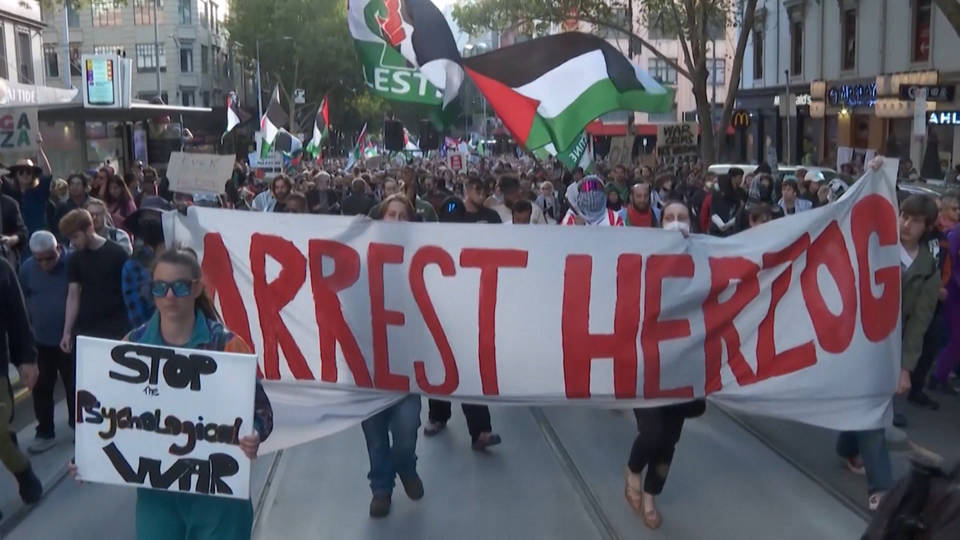
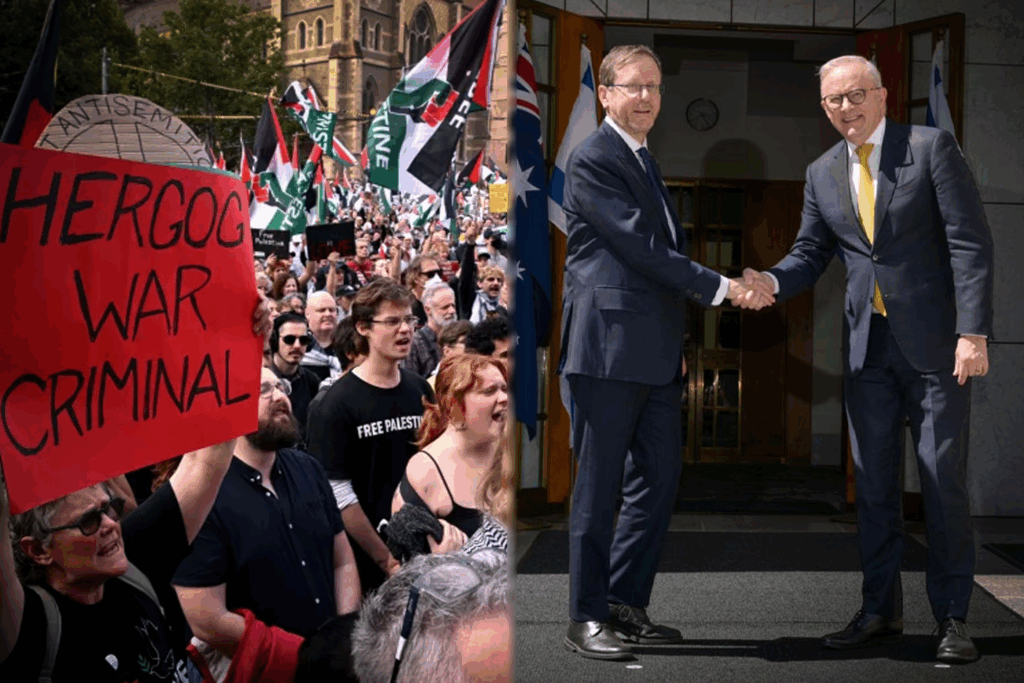
And then we’ve had these demonstrations in the cities, especially Melbourne and Sydney, every week, where people are chanting, globalize the intifada, and all Zionists – which of course is 95% of Jews – all Zionists are terrorists, you know, death to the IDF. All sorts of horrific chants. We see this demonization almost of Israel in some of our media. And obviously, people are getting it in social media and so on as well, where it acts as an echo chamber. So it was almost inevitable that with all this incitement and hatred and this virulent atmosphere that someone was going to take it into their hands to decide to do something about it. And we were warning there was likely blood on the streets.
INSKEEP: Yeah.
HYAMS: And it turned out there was.
INSKEEP: Stating the obvious. You can criticize Israeli policy without being antisemitic, but the remarks that you’re citing, the quotes that you’re citing, clearly go over that line. I’m also thinking about the numbers, more than 2,000 attacks in a year. And then the following year, according to this report, I’m looking at more than 1,600…
HYAMS: Yes.
INSKEEP: …Attacks. And this has got to be, compared to the United States, against a relatively small Jewish community. There must be, like, every family must know somebody who experienced something in the last couple of years.
HYAMS: Well, exactly. Well, there are – it’s estimated there’s a hundred and twenty thousand Jews in the whole of Australia. So for there to be 2,000 attacks in one year – and obviously, a lot of these attacks were on places like synagogues and schools and so on, so they affect a large number of members of the community all at once.
INSKEEP: How do you rate the government response to all of this?
HYAMS: It’s been poor. There’s been very little attempt to cut down on the incitement. It started on October 9, 2023. Two days after the October 7 attacks, the New South Wales state government lit up the Sydney Opera House in blue and white to show support for Israel and for the Jewish community. And there was a counter demonstration, an anti-Israel demonstration. Jewish people were told to stay away from the city and from the opera house for their own safety on the day it was lit up to show their support. And then there are crowds burning Israeli flags and chanting, where are the Jews? – and F the Jews.
So, you know, that really set the scene and set the precedent, and it’s been like that ever since. It’s easier, apparently, to get the small number of Jews out of the way than it is to actually do something to crack down on this ongoing virulent incitement. And that’s what needs to happen. We have an antisemitism envoy who has put out a very comprehensive report five months ago on how to combat antisemitism, and it’s been all but ignored up to now.
INSKEEP: Jamie Hyams is public affairs director for the Australia, Israel and Jewish Affairs Council. Thanks very much for your insights, sir.
HYAMS: Thanks for having me.