UPDATES
Iran gives new meaning to “fashion police”
June 22, 2011 | Daniel Meyerowitz-Katz
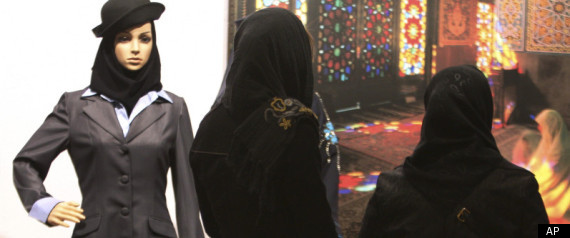
Iranian authorities have just announced that they are extending their crackdown on “un-Islamic dress codes” to include various “Western-influenced” men’s haircuts and jewellery. Iranian women have traditionally been harrassed by the “moral police” for not following the strict, conservative dress codes that Iran’s rulers see as “Islamic”, however, as reported by Ali Akbar Dareini and Brian Murphy in The Huffington Post, the authorities appear to be extending this code further each year.
Some 70,000 police officers have been deployed in Tehran this month to enforce the dress codes, the state news agency IRNA said. Confronting those who are not sufficiently veiled is a legitimate demand of the people,” said Iran’s police chief,
Gen. Esmaeil Ahmadi Moghadam, who was added to the U.S. sanctions list earlier this month for his alleged role in the political clampdowns after Ahmadinejad’s disputed re-election in 2009. The fashion targets this year also include men’s hairstyles and “un-Islamic” bling such as necklaces. Last year, a fashion watchdog group gave the Culture Ministry a guide to acceptable men’s haircuts.
On the blacklist: ponytails, a spiked style known locally as the “rooster,” and the retro “mullet” do, with its cropped front and cascading back.Breaking the fashion mold in Iran – especially for men – also has become a low-risk way to show support for the political opposition.
Iran regularly clamps-down on “moral dress codes” every summer, however some Iranians seem to think that this year will be even worse. It is worth nothing that this comes in the wake of recent Middle East unrest, which could be compelling Iran’s rulers to suppress any “moral dissent” in order to maintain the climate of fear in Iranian society and prevent all opposition movements from gaining any momentum.
Farhad, a 21-year-old student with shoulder-length hair, said he had once dyed portions of his locks green – the color adopted as the symbol of the protesters after the elections two years ago.
“Young people are used to the crackdown on clothes every summer,” said Farhad, who wouldn’t give his last name for fear of reprisals from authorities. “But this year you get the feeling it’s a bit more serious.”
Tags: Iran