IN THE MEDIA
We must dismantle the structures that allowed antisemitism to take root
December 19, 2025 | Paul Rubenstein
The West Australian – 19 December 2025
It would be simplistic and wrong to claim that the full-throated anti-Israel animus cultivated across Australian civil society directly caused the Bondi Beach massacre. Unequivocally, responsibility lies with the men who pulled the trigger. But it would be duplicitous to pretend there is no connection at all.
For two years, Australian governments and civil society institutions looked away as extreme, false and obsessive rhetoric about Israel, Zionism and Jewish Australians spread unchecked. This wasn’t subtle. It was visible, loud and relentless. Yet the response was indifference at best and appeasement at worst. Hatred was thus normalised, validated and, ultimately, emboldened.
Across unions, student groups, academic departments, arts bodies, and activist collectives, Israel was not merely criticised but cast as uniquely malevolent: colonial, apartheid, genocidal – beyond the boundaries of legitimate human society. Anyone who challenged this narrative was accused of being “complicit in genocide.”
These lies erased the complexities of the Israeli-Palestinian conflict, the admitted role of Hamas in maximising civilian casualties, the indigeneity of Jews to the land of Israel, and the democratic rights enjoyed by Arab citizens in Israel.
This narrative was not just wrong; it was corrosive. And given that 95% of Australian Jews identify as Zionists – that is, supporters of Israel’s right to exist – the demonisation of “Zionists” slid smoothly and predictably into the demonisation of Jews. Once a group is dehumanised, violence against them becomes easier for some to imagine – and for others to excuse.
There is a straight, unbroken line between the scenes at the Sydney Opera House after October 7 and Bondi. At the Opera House, crowds howled “Gas the Jews” (or “Where’s the Jews?” — as if the distinction matters). Protesters chanted that Zionists have “no place” in Australia. Chants turned to doxxing Jews and boycotting Jewish businesses, making campuses unsafe for Jewish students, graffiti and arson, and physical intimidation of school children.
When we pointed this out, we were gaslit by almost everyone. Many in Government. Much of the media. And especially civil society. Antizionism isn’t antisemitism, they told us. Stop being paranoid.
Should anyone now be surprised that Jewish blood has been spilled on Australian soil?
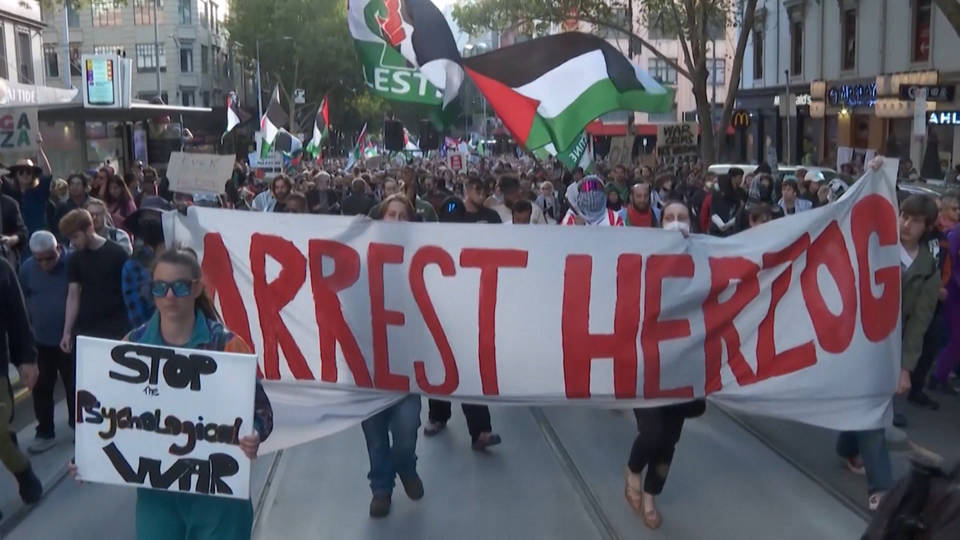
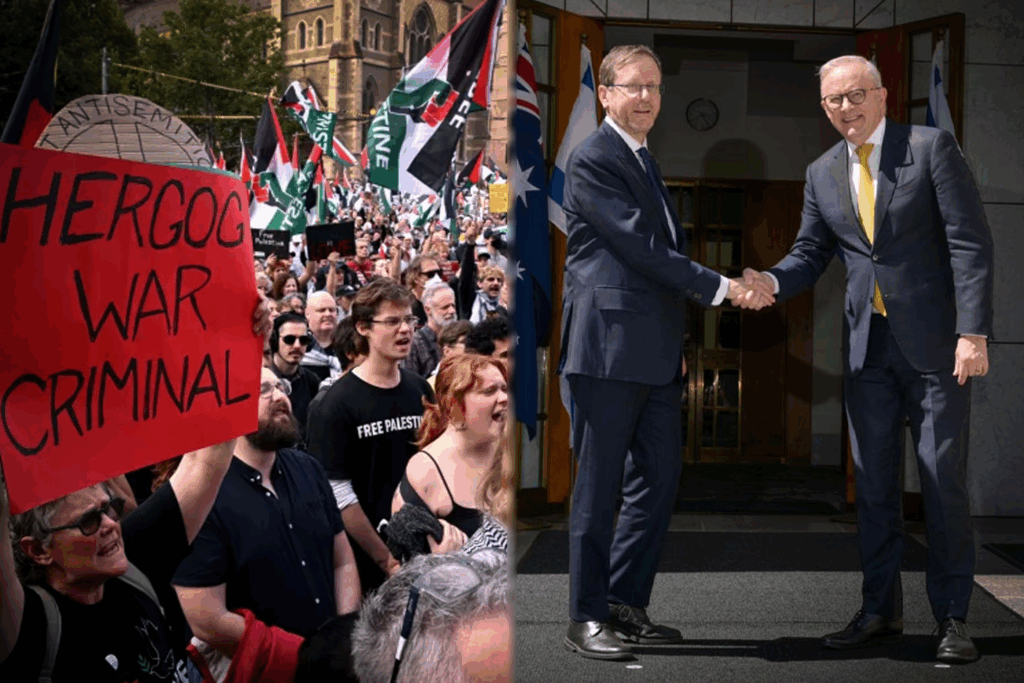
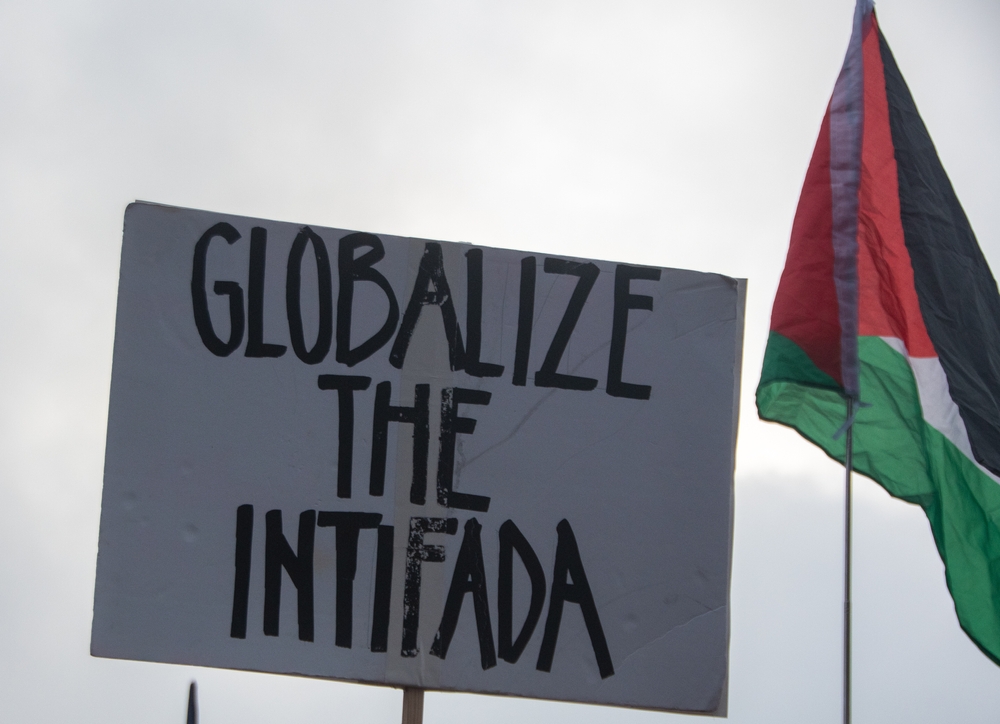
Many well-meaning Australians marched believing they were supporting human rights, not realising their presence amplified movements that tolerated – or celebrated – antisemitism. In protest after protest, encampment after encampment, Hezbollah and Hamas flags appeared beside chants like “all Zionists are terrorists,” “Death to the IDF,” “from the river to the sea,” and “globalise the intifada.” Jewish Australians explained relentlessly what these slogans meant: eradication, expulsion, mass violence. They were mocked, dismissed, or told they were imagining danger. Bondi has now delivered the translation.
Government institutions also failed. Despite repeated warnings that obsessive Israel-hatred would metastasise into hatred – and eventually violence – these concerns were waved away. Politicians offered platitudes while appeasing anti-Israel activists.
Rather than confronting the hatred itself, the government focused on fortifying the Jewish community – more guards, more cameras, more walls – treating Jews as a population to be barricaded behind fortress-like infrastructure rather than citizens entitled to safety in the public square.
The Special Envoy for Combating Antisemitism’s report was welcomed, then quietly ignored. The Australian Human Rights Commission buried antisemitism inside broader “anti-racism”, obscuring the scope and urgency of the problem. It is blindingly obvious that Muslims in Australia do not require armed guards to attend their schools or houses of worship. Jews do.
And so, in the shadow of Bondi Beach, the Jewish community feels profound grief, deep disappointment, and justified anger – not because anyone but the murderers bear responsibility, but because the environment that emboldened them was allowed to grow unchecked.
Australia has long been praised as the Lucky Country – a place of civility, stability, tolerance, and fairness. But this moment has cracked that facade. Many Jews now fear that the luck that once protected them – the luck that flowed from Australia’s decency – is running out. And if the Lucky Country becomes a place where Jews are left exposed to hatred, intimidation, or violence, the luck will not run out only for the Jews. It will run out for everyone.
So what to do?
It is no longer enough for leaders to offer “concern”. No more platitudes. No more carefully hedged statements crafted to avoid upsetting activists.
What is required is clarity, courage, and real political risk-taking:
- A firm rejection of rhetoric, slogans, or movements that dehumanise “Zionists” – no excuses, no euphemisms.
- A willingness to confront institutions – universities, unions, arts bodies – that have allowed antisemitism to fester under the banner of “social justice.”
- Laws and regulatory frameworks that actually deter antisemitic harassment, incitement, and intimidation.
- A government willing to spend political capital – not just money – to protect its Jewish citizens.
This process can start by the Government announcing a Royal Commission into antisemitism. It would be a sign it is actually taking the problem seriously, and would allow an independent body to uncover the extent of the problem and suggests ways to fix it.
Australia cannot merely manage antisemitism. It must dismantle the cultural, ideological, and institutional structures that allowed it to take root.
If Australia wishes to remain the Lucky Country, then it must act – not symbolically, not cautiously, not only when convenient. Because the cost of doing nothing will be far greater.
Paul Rubenstein is the NSW Chairman at the Australia Israel and Jewish Affairs Council
Tags: Antisemitism, Antizionism