Australia/Israel Review
Keeping faith: Fresh eyes?
Mar 18, 2026 | Rabbi Ralph Genende
The great French Jewish novelist Marcel Proust once said, “The real voyage of discovery consists not in seeking new landscapes, but in having new eyes.”
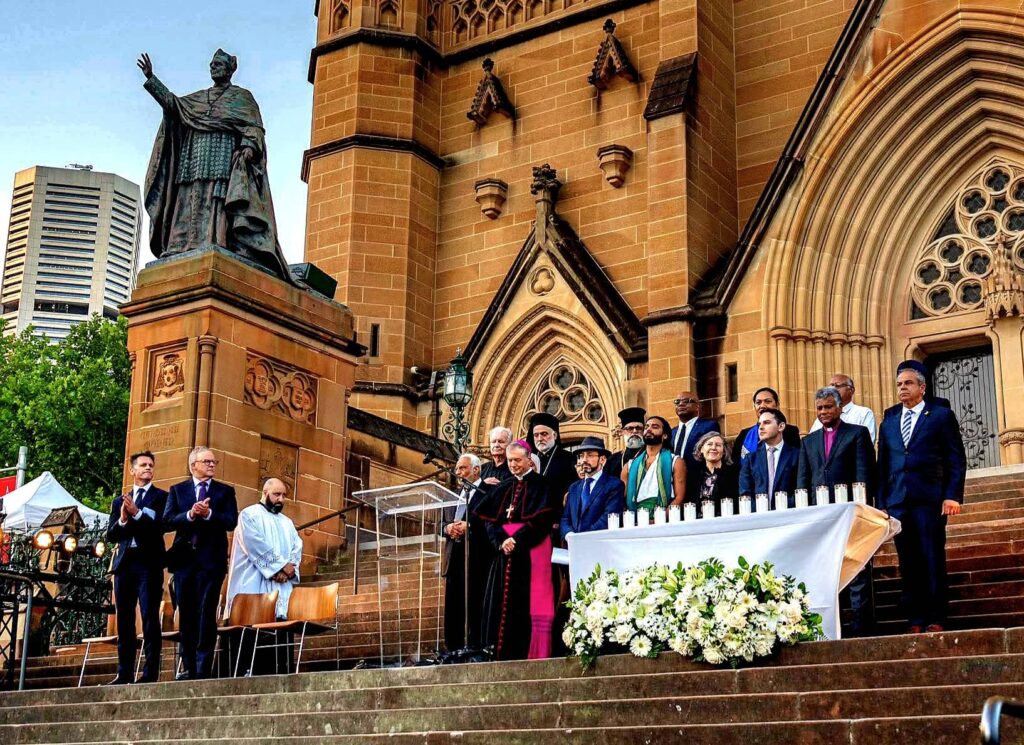
For many, if not all, of those engaged in interfaith work, the horrific attack on the Jewish community at Bondi Beach on December 14 was a painful and rude awakening – a moment of reckoning. It set off a painful voyage of discovery into an old landscape, one that demands fresh eyes.
After October 7, there was confusion and hesitancy in many interfaith interactions. Many well-meaning faith leaders (especially in the mainstream churches) found it hard to disentangle their sympathies for the suffering of citizens in Gaza and their compassion for the suffering of Israeli citizens and Jewish people across the world.
There was a failure to recognise that the anti-Zionism of the professional protesters was so very often a camouflage for antisemitism. There was also an undercurrent, even amongst supposed friends, that we Jews were paranoid – or even worse, exploitative, using our suffering to gain public sympathy and support. They didn’t seem to appreciate our feelings of abandonment, our deep fears or the existential trauma of our people. It feels different now. If something has emerged from the blood-stained beach at Bondi, it is hopefully a sea change amongst the Australian people. The prodigious outpouring of grief and support after Bondi from ordinary Australians suggests this.
And there’s a different spirit amongst some of our interfaith interlocutors. The critical question is how deep and wide is this spirit and will it endure as the months pass? This new mood of openness is manifest, for example, in the comments of Robyn Whitaker, Director of the Wesley Centre, affiliated with the Uniting Church. She notes that Christianity has “ongoing work to come to terms with our own history of antisemitism… that continues to exist in churches… we desperately need education and conversation including an examination of the misinformation and conspiracy theories about Jews that fuel extremism.”
Her thoughts have been echoed by leaders in the Catholic and Anglican churches. One Catholic academic is brutally honest:
Of course, I think you know that the situation between Jews and Christians is only marginally better than it was after October 7th. I want to acknowledge the Jewish pain [and our pain] that it has taken Bondi for Christians to be more outspoken in their solidarity with Jews, even if there were some bold voices in the intervening years. Why does it take a Bondi tragedy to finally make us wake up?… It’s also complicated by a growing Christian evangelical voice, echoing trends in the US, which makes mainstream churches in Australia nervous. As long as there is that complication, I think mainstream churches will always be seen to be slow in responding…
From the Jewish side, Rabbi Aharon Lavi of the Ohr Torah Interfaith Centre says superficiality has characterised much of interfaith work over the years. He suggests that the main question we need to ask ourselves as Jewish leaders is with whom do we work and who do we condemn and marginalise? “For too long”, he suggests, “the Jewish establishment has been fooled by fake interfaith dialogue… we need to be able to choose and cultivate the right partners.”
Rabbi Nagen from Ohr Torah differentiates between “inter-fake” and real interfaith relations. This also certainly reflects my experience with faith leaders – some, including some rabbis, choose the photo opportunity over the genuine encounter.
Notwithstanding this, changes in interfaith relationships are most likely to start with the Jewish-Christian relationship. Despite the way we have often danced around each other, usually avoiding the hard discussions, there has been significant progress in Jewish-Christian relationships over the last 60 years. This was initiated by the Roman Catholic Church with its 1963 document called Nostra Aetate, followed by similar Protestant parallels.
There has always been more ease with Asian faiths like Buddhism, Hinduism and Sikhism. Australian Jews live in a multicultural country where our community is just a tiny fragment of a large and diverse patchwork.
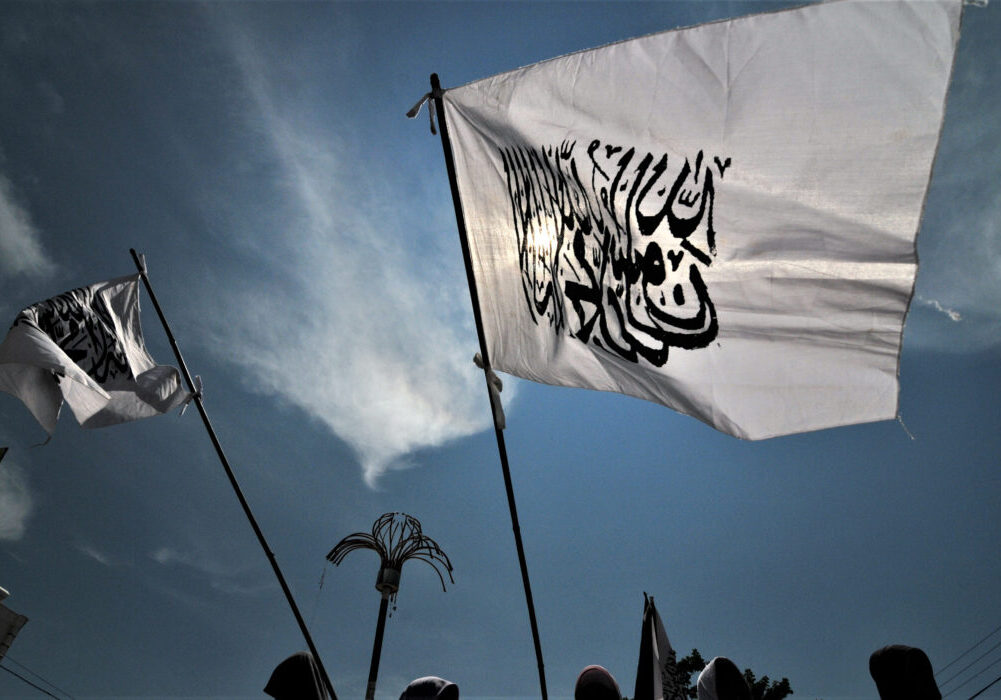
Yet after Bondi, the burning interfaith question is whether the landscape has changed for Muslims. Do our counterparts in those communities have fresh eyes or is it lamentably a case of ‘they have eyes but do not see’?
Since October 7, Jewish-Muslim interactions across the world have stalled if not completely broken down. That was our experience in Australia where antisemitism, fuelled in part by popular, often Muslim-led, pro-Palestinian protests, went through the roof, culminating in the horror of Bondi.
After December 14, Muslim organisations put out swift statements condemning the attack – does that mean they will re-engage on interfaith dialogue?
Jewish leaders involved in interfaith work who I have spoken to tell of many messages they received from their Muslim counterparts and friends. For my part, of the countless messages I received, a large number were from Muslim contacts and colleagues.
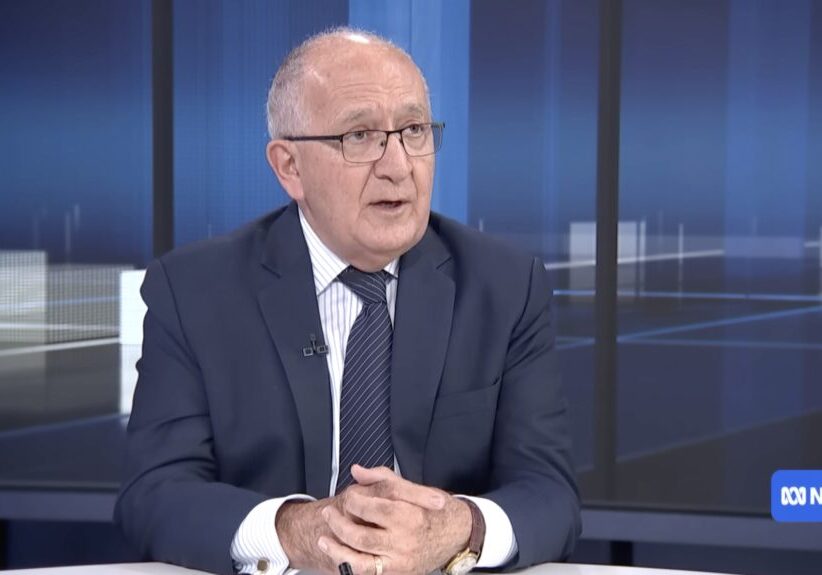
Will these messages translate into pragmatic actions and a resumption of engagement? Co-Chief Executive Officer of the Executive Council of Australian Jewry (ECAJ), Peter Wertheim, who has a long history of interfaith interaction, is sceptical. His reply to my question of whether anything has changed was terse; “No, they were tense before and remain tense now.”
He believes there won’t be any real change until the Muslims “accept the internationally endorsed right of the Jewish people to determine their own future in their historic home” and stop trying to define us on their terms, not ours.
Rabbi Zalman Kastel, one of Australia’s foremost champions of Jewish-Muslim dialogue, disagrees, saying: “I think this (the Bondi attack) will prove to be a turning point… it is still unfolding. The future of Jewish-Muslim relations in Australia is still to be negotiated. I am cautiously optimistic but also concerned we really don’t know how this will unfold…”
I personally have moved from cautious optimism to hopeful pessimism. There are massive mountains to be climbed and many to be moved before Israel and Jews will have a different and better relationship with the varied followers of Islam, and vice versa.
I worry that demonisation of Zionist Jews and antisemitism are entrenched in Muslim schools, mosques and homes in Australia. I don’t believe there will be any real change until we can sit down together with our Muslim counterparts and have those difficult, deep, honest and frightening conversations about what divides us.
Tags: Antisemitism, Australia, Bondi, Interfaith Dialogue
RELATED ARTICLES