Australia/Israel Review
Unsanctioned?
Mar 18, 2026 | Oved Lobel
The current war and the economic embargo on Iran
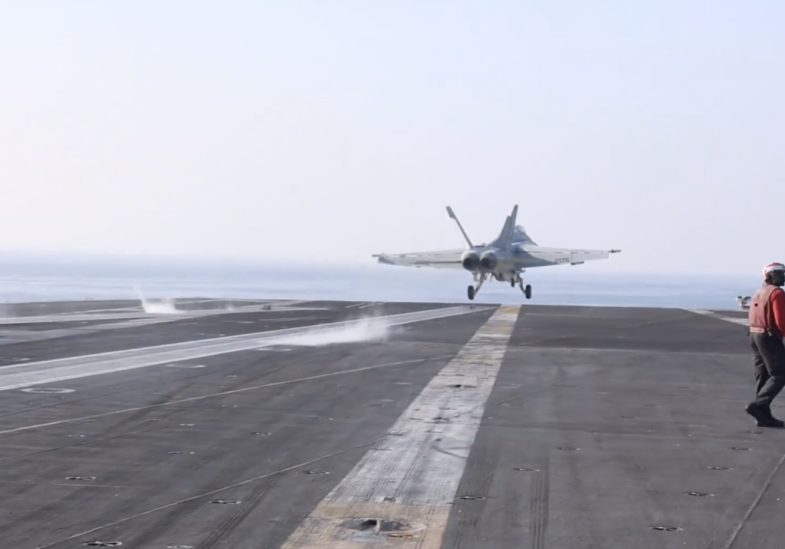
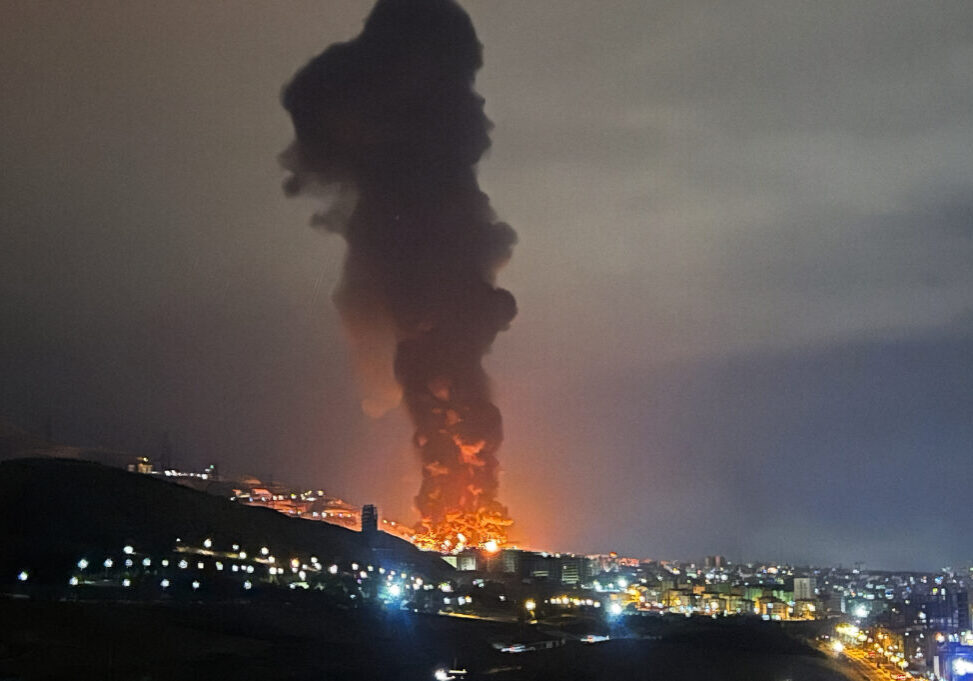
The long-awaited large-scale military campaign against the Iranian regime was finally launched by the US and Israel on February 28, dubbed “Epic Fury” by the former and “Roaring Lion” by the latter. On the first day, the Supreme Leader Ayatollah Ali Khamenei was killed, alongside most of the regime’s senior political and military leadership, while much of what remained of Iran’s offensive and defensive military capacity after the 12-Day War in June 2025 is, at the time of writing, in the process of being destroyed.
Even if this proves to be the end of the Islamic Republic and the 1979 Islamic Revolution, the “maximum pressure” campaign of crushing sanctions targeting Iran will need to still be maintained until a democratic transition has clearly taken hold there.
But if the regime, though decapitated and crippled, somehow survives and reconstitutes, as remains quite possible, then the issue of how to continue utilising sanctions as part of a comprehensive strategy to contain and further degrade that regime – alongside the option of the further use of force – will remain on the table.
But how to more effectively implement sanctions so that they increase economic pressure is a separate question to whether economic pressure can realistically alter this regime’s conduct or policies. To this latter question, the historical and contemporary record provides a disheartening answer.
“Economic sanctions by the US and its allies or by the UN in general would have no deterrent effect upon Khomeini, a man who simply cannot yield under pressure. Indeed, Khomeini would mount a counter escalation of his own,” stated a January 1980 CIA assessment regarding the founder and first Supreme Leader of the Islamic Republic, Ruhollah Khomeini. The same, unfortunately, applied to his successor, Ali Khamenei. It will also likely apply to Khamenei’s successor, his son Mojtaba Khamenei.
There are inherent limits to what sanctions can accomplish in terms of changing specific policies, particularly when they’re paired with stringent demands that the target would regard as against the raison d’être of the regime.
While supporters of the Obama-era Iran nuclear deal will often cite sanctions as being key to bringing the regime to negotiate, the only reason any deal was signed was American, not Iranian, concessions – most importantly the Obama Administration’s decision to drop the demand, based on binding UN Security Council resolutions, for Iran to cease all uranium enrichment.
No policy based solely on economic pressure or even on the credible threat of force was likely to convince this regime to take actions viewed as tantamount to capitulation on its core goals. Born as a supranational Islamic Revolution predicated on driving US influence from the Middle East and destroying Israel, the regime was very unlikely to sacrifice its raison d’être under almost any circumstances. On the contrary, the regime aspired to a self-sufficient “resistance economy”. It is not constitutionally capable of responding rationally to economic pressure or threats.
Moreover, the Islamic Revolution always prioritised relatively cheap, asymmetric jihad, meaning that sanctions could only have limited impact on the proxies run by the Islamic Revolutionary Guard Corps (IRGC), such as Hezbollah in Lebanon, the Houthis in Yemen , Hamas and Islamic Jihad in the West Bank and Gaza, or various groups in Iraq and across the Gulf.
The total amount the regime was estimated to be spending annually on all of its regional organs and proxies combined was less than US$2 billion. Many of these IRGC arms were self-sustaining, whether through taxation, criminal activity or parasitic control of parts of their host countries.
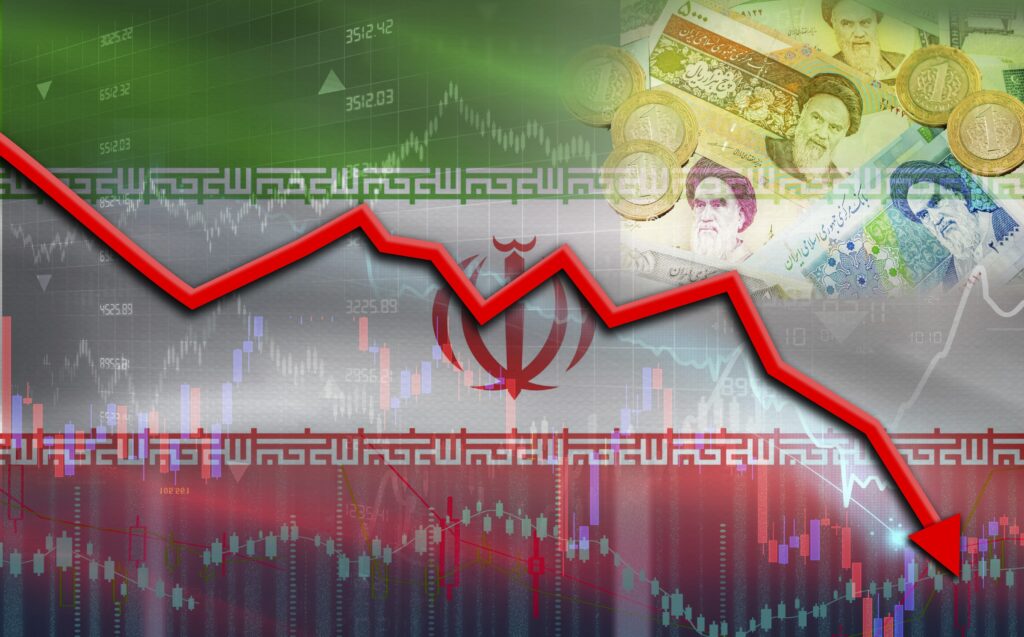
However, sanctions were clearly one contributing factor – alongside corruption, mismanagement and misallocation of resources – that led to the precipitous economic decline in the Iranian economy and currency in recent months, which, in turn, was the key spark of the anti-regime protests that began in December.
While sanctions, regardless of how effective, were never likely to fundamentally alter regime decision-making, their ability to inflict real pressure was substantially undercut by the Chinese purchase of Iranian oil through ostensibly independent “teapot” refineries, which kept the regime financially afloat. This had reportedly begun to change recently, which may help explain the precipitous deterioration in Iran’s economic situation before the war. Iran’s exports to China were allegedly down to 800,000 barrels per day (bpd) in 2026, the lowest level in two years, although these levels have previously fluctuated.
This has to do with not only more expansive sanctions against the so-called “shadow fleet” of about 1,300 old tankers moving illicit oil from Iran and Russia, among others, but the active pursuit and boarding of these vessels by the US and others in 2026. For the first time, India seized three shadow fleet ships previously sanctioned for carrying Iranian oil, while not only the US, but France and the UK, have started boarding shadow tankers. In addition, UN sanctions on Iran, lifted by the JCPOA, were reimposed through the “snapback” mechanism in late 2025.
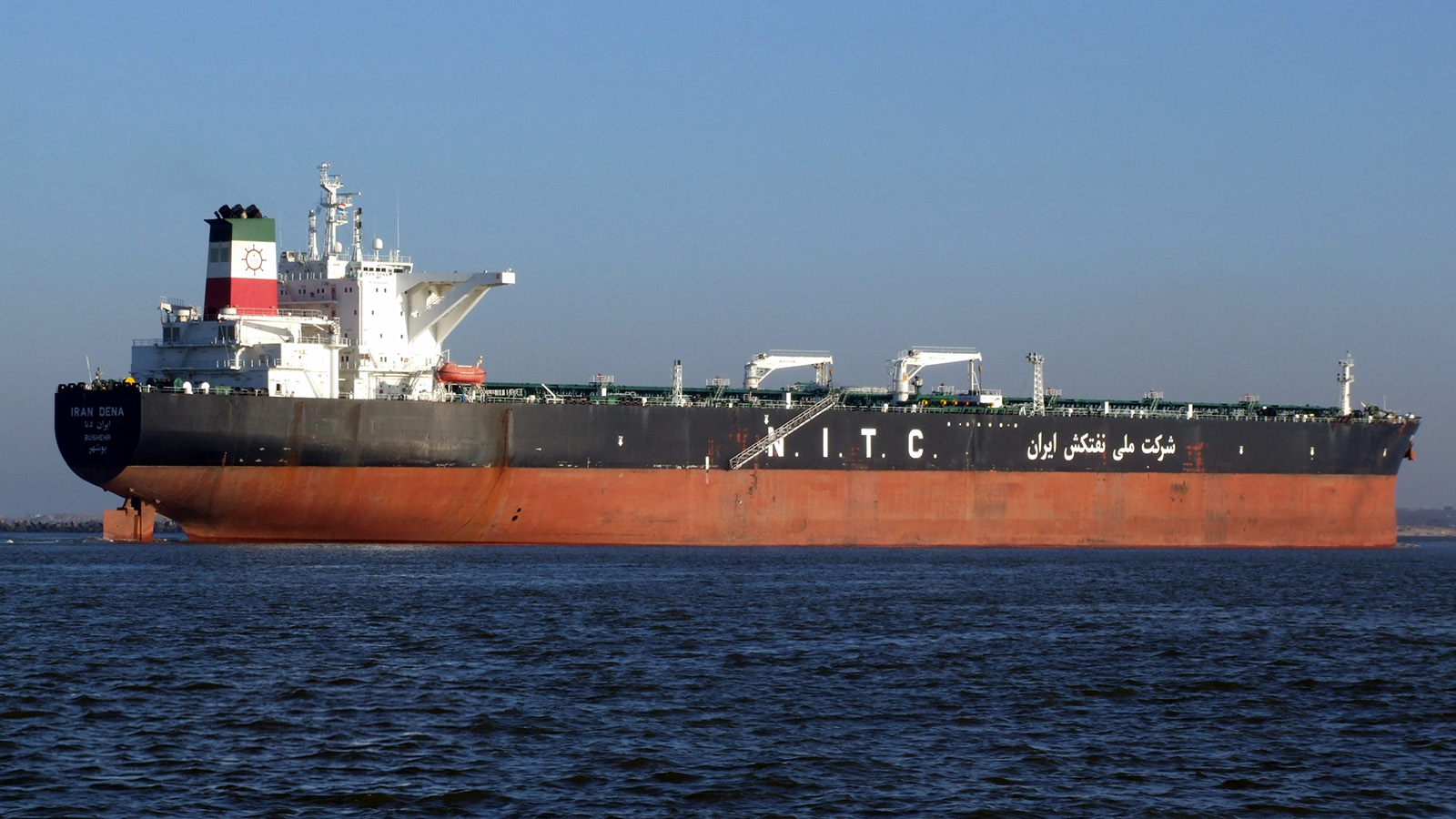
The key to maintaing economic pressure on Iran is direct interdiction of the so-called “shadow fleet” – more than 1,000 tankers that are illegally moving Iranian and Russian oil (Image: Creative Commons)
If it proves necessary, attempts to collapse the regime’s oil budget could be made even more effective with improved enforcement. In October 2025, Saeed Ghasseminejad and Aidin Panahi outlined several steps in the National Interest to improve enforcement and expand sanctions to degrade Iran’s ability to use the shadow fleet. For example:
Protection and Indemnity (P&I) coverage should be contingent on verified documentation, including uninterrupted AIS tracking, validated bills of lading [i.e. the receipt of goods in good order], and clear port histories. Any vessel failing to meet these criteria should lose recognition from the International Group (IG) of P&I Clubs… Effective sanctions would therefore require three linked actions: IG clubs withdrawing coverage for deceptive vessels, port-state control denying entry to uninsured ships, and refiners refusing to offload cargoes without IG liability certificates.
Former senior US official John Bolton recently advocated the recreation and repurposing of the 2003 Proliferation Security Initiative (PSI) model to go after the shadow fleet, writing, “The objective of PSI 2.0 should be to sweep oil-tanker ghost fleets from the seas entirely, delegitimizing them across the board, by interdictions, seizures and financial and commercial means.”
Physical interdiction rather than sanctions would be the most effective method, since it is virtually impossible to ensure universal enforcement of sanctions, even from allies and partners, much less adversaries. However, intense pressure would nevertheless need to be applied against Turkey, the UAE and other historical sanctions-busting hubs. What’s more, as in Venezuela, the US Navy could partially blockade all Iranian ports and stop any oil, ballistic missile precursor chemicals or weapons and weapons components from entering or leaving.
The United States must also be willing to weather Chinese economic retaliation when sanctioning important entities involved in the Iran–China oil-for-infrastructure trade and general bartering system.
Iran’s economy is a veritable command economy, complete with five-year plans, unsustainable subsidies, ecological destruction and self-destructive mismanagement and corruption. After more than 45 years in power, it will be very difficult for that economy to be disentangled from the IRGC industrial conglomerate and its clerical overseers, which have been controlling every relevant element of this “resistance economy” through the “military–bonyad (foundation) complex”.
Like all such ideological-economic systems, it is both unsustainable and politically and financially impossible to reform. As noted, its poor performance is severely exacerbated by sanctions.
The purpose of sanctions on Iran, if they remain necessary after the death of Khamenei and his leading military commanders, should be to ensure the regime cannot revive itself in any recognisable form, and is only allowed to access funds in exchange for complete capitulation on enrichment, terrorism, kidnapping, piracy, internal repression and, most importantly, the disbanding of the Houthis, Hezbollah and the alphabet soup comprising IRGC control in Iraq, not to mention an end to supporting Palestinian terrorist groups.
When Mikhail Gorbachev took power in the Soviet Union in the 1980s and surveyed the economic and political wreckage of the system he’d inherited, he attempted to preserve it through social, political and economic reforms that inadvertently destroyed the entire entity.
If someone eventually emerges from within the Iranian regime to cooperate with the US, as happened in Venezuela, they will probably, like Gorbachev, attempt to reform the system in order to preserve its ideological foundations.
While these steps should be encouraged – especially if they include abandoning Iran’s regional empire, as Gorbachev did in Europe – and some sanctions should be removed in response to certain changes on the nuclear, missile and terrorism front, sanctions should only be fully lifted in the event Iran achieves a full transition away from the Islamic Revolution and the fanatical, murderous system it created.
Tags: IRGC, Iran, Middle East, United States
RELATED ARTICLES