Australia/Israel Review
Biblio File: Learning from catastrophe
Dec 19, 2025 | Ran Porat
October 7 and its lessons for Israel
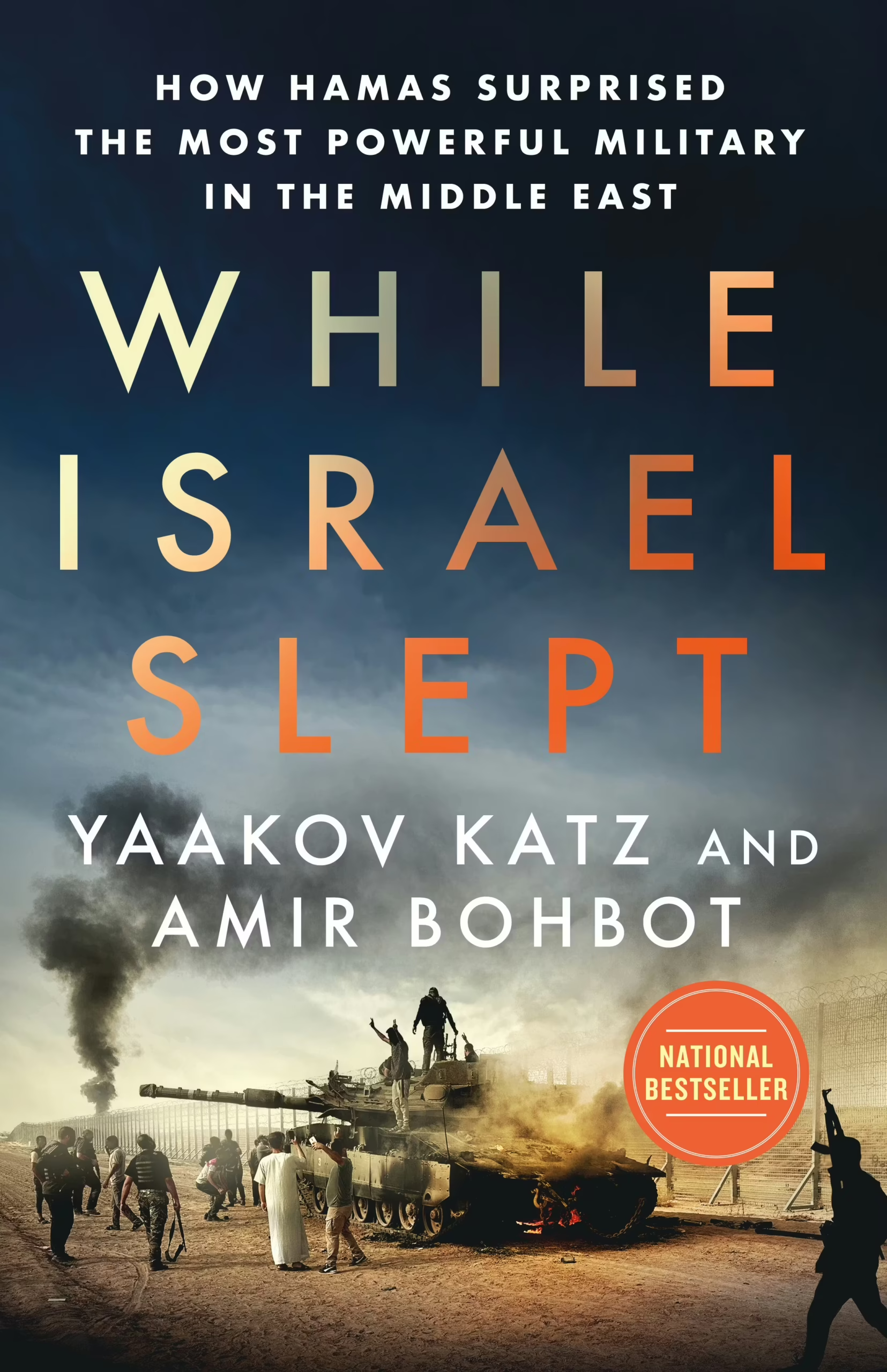 While Israel Slept: How Hamas Surprised the Most Powerful Military in the Middle East
Yaakov Katz and Amir Bohbot
St Martin’s Press, 2025, 360 pp. $51.99 [purchase here]
In his 1988 book What Do You Care What Other People Think?, Nobel Prize-winning physicist Richard Feynman wrote: “I learned very early the difference between knowing the name of something and knowing something.”
While Israel Slept: How Hamas Surprised the Most Powerful Military in the Middle East, by veteran Israeli security reporters Yaakov Katz and Amir Bohbot, was expected to provide the basis for both types of “knowing” Feynman described. Indeed, their detailed review clearly lays out much of what happened leading to Hamas’ deadly attack on Israel on October 7, 2023, and offers important insight into how it happened, with Israeli leaders and security officials completely misreading events and drawing catastrophically mistaken operational conclusions.
Yet by the end, the reader is left with one essential question unanswered: Why did it happen? What was there inside Israel’s politics, society and culture in 2023 that permitted this catastrophe to occur? What caused such blindness across the army, government and other institutions and left Israel so vulnerable, like a sleeping beauty about to be violently awakened by murderous terrorists rather than a charming prince?
Hamas’ Cruelty Exposed
Those who have been chanting pro-Palestinian or antisemitic slogans since the Gaza war began would benefit from reading this book’s revelations about Hamas’ true nature. For instance, pro-Palestinian LGBTQI+ supporters should note that Hamas documents recovered in Gaza contained “instructions for interrogating Palestinians suspected of being gay, lesbian, transgender, and bisexual. The level of barbarism described in the documents was shocking.”
Other evidence exposes Hamas’ cynical use of civilians as human shields. One Gazan testified that a Hamas terrorist hid a bomb at the entrance to another Palestinian’s home. “‘If you don’t like it, get out of here,’ the Hamas operative told [the homeowner]. ‘It’s none of your business.’” The man replied, “How is it none of my business? These are my children; it’s not okay.” And the Hamas operative told him, “This is the explosive. I will plant it even if you don’t like it – and I’ll even put it between you and your wife.”
Tunnel Vision
However, the book’s main focus is Israel’s fundamental misperceptions – the “blindness” that plagued its military and intelligence community before October 7. Like peeling an onion, each chapter reveals more layers of misunderstanding that led Hamas to believe Israel could be destroyed, even as Israel believed itself secure.
The flawed Israeli mindset, amalgamated in what is known as the conceptzia (a set of beliefs and perceptions of the enemy’s intentions and capabilities, a term originally coined after the 1973 Yom Kippur War), combined both overconfidence and underestimation of the enemy.
The authors show how both sides interpreted the same events in opposite ways. Hamas leader Yahya Sinwar concluded from 2014’s Operation Protective Edge – considered a success in Israel – that the IDF and the government feared high casualties and would therefore avoid invading Gaza. “Hamas is deterred”, Israeli officials claimed for years. Yet in truth, the opposite was more the case.
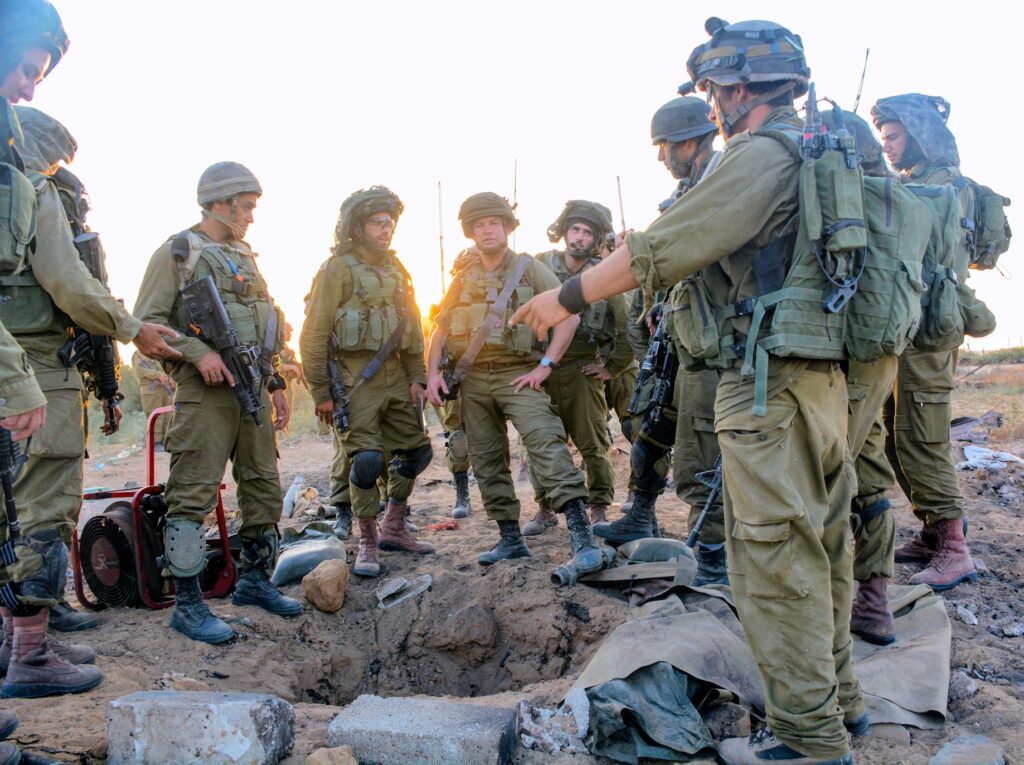
The book examines decades of Israeli strategy toward Gaza that ultimately proved counterproductive. The Hamas tunnel network is the most striking example. While Israel focused on destroying and preventing cross-border tunnels, it underestimated the military significance of the vast underground “metro” system within Gaza itself. When tunnel shafts were found in 2014, they were often simply ignored – because military units lacked equipment to deal with them or because doing so was not part of the operational goals they had been set.
Instead, Israel invested heavily in a defensive barrier along the Gaza border – above and below ground – believing it would ensure safety. “How wrong they were,” the authors note. This overreliance on the technology of the “sophisticated” border barrier led to a reduced IDF troop presence in the area and also fostered complacency and cognitive stagnation. Thus, “no one ever imagined that thousands of terrorists would simply blow holes in the border fence and cross unopposed.”
Even after major conflicts in 2008-9, 2014 and 2021, Hamas quickly rebuilt its capabilities. The IDF’s confidence and the government’s smugness after every operation against Hamas reflected a dangerous illusion of control on the Israeli side.
Netanyahu: A Tragic Figure
Prime Minister Binyamin Netanyahu emerges as a tragic figure at the centre of the October 7 story.
The book recalls his decision during his first premiership in 1996 not to request the US to extradite Hamas leader Mousa Abu Marzouk – reportedly to “buy quiet” – even if it meant freeing a top terrorist. This was a recurring theme throughout Netanyahu’s career. He repeatedly prioritised short-term calm in and around Gaza over confronting Hamas directly – not only permitting cash transfers to pay civil servants but also downplaying financial sanctions designed to weaken Hamas.
To be fair, Netanyahu was hardly unique in this regard. As the authors explain: “Consecutive governments in Jerusalem believed that improved conditions in Gaza would lessen Hamas’s incentive to go to war against Israel.”
Netanyahu, however, took this further – believing Qatari money could “buy quiet”.
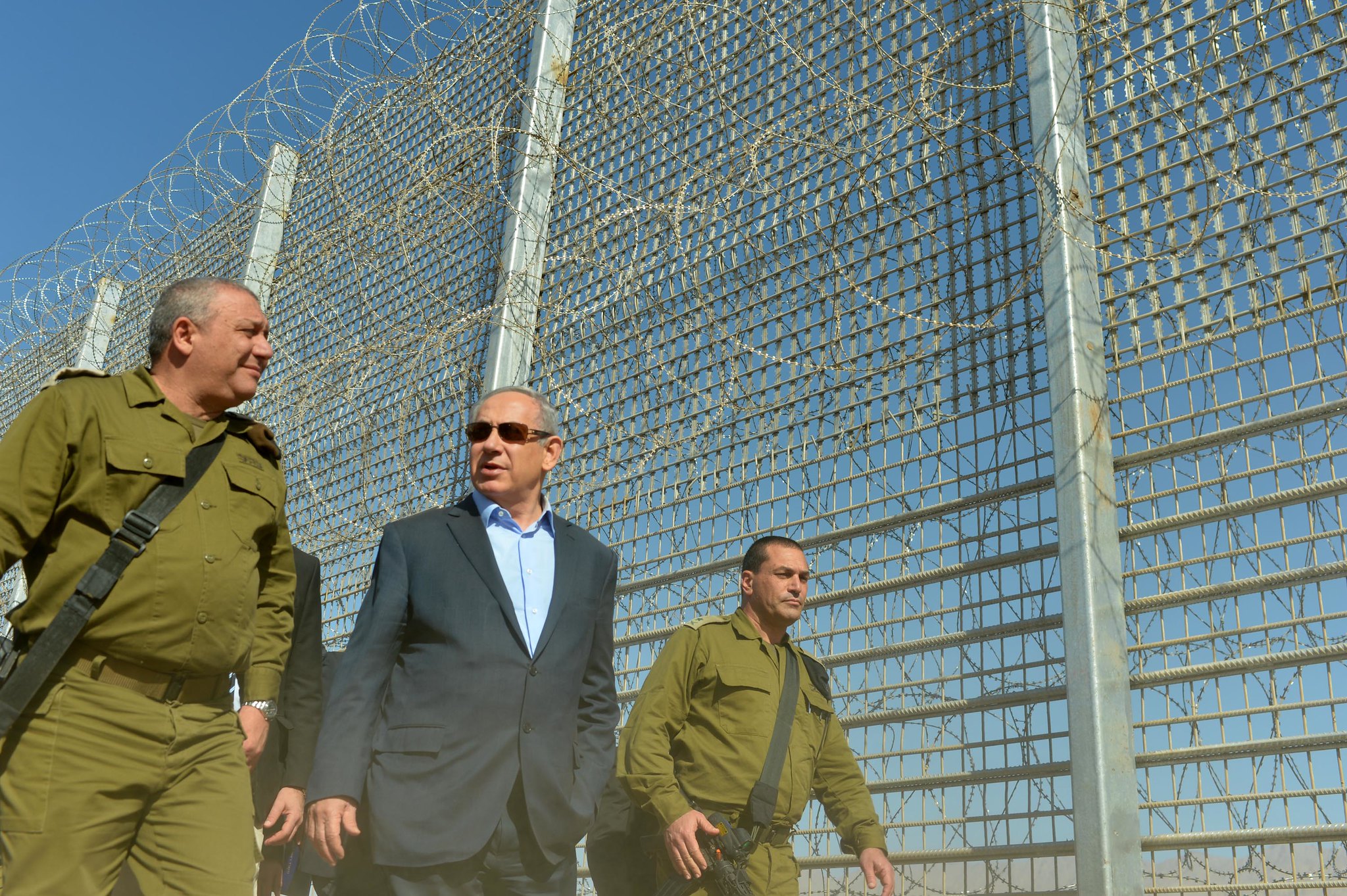
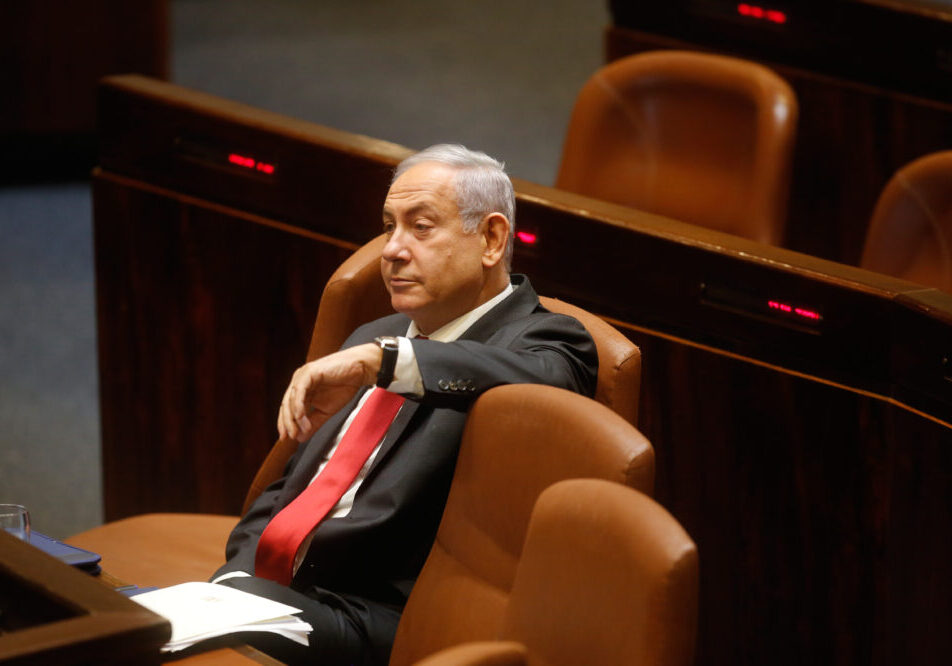
Like most Israeli leaders, Netanyahu believed the Gaza problem could be contained (Image: GPO/ Flickr)
In addition, the book directs the spotlight towards Netanyahu’s broken promise in 2009 to “topple Hamas’ terror regime, and… restore security to the residents of Ashkelon, Ashdod, and Sderot, and to all of Israel.”
According to the book, his Gaza policy also appears to have had other, more political motivations – maintaining Hamas control of Gaza perpetuated Palestinian division and weakened prospects for Palestinian statehood. “Netanyahu embraced this ‘separation’ policy to the extent that Hamas became something of an Israeli asset,” the authors write.
Since October 7, the authors argue, it too often seemed that Netanyahu’s political considerations took precedence over the national interest. His fear of losing coalition partners delayed hostage deals and ceasefires, prolonging the war, they allege: “Time and again, throughout the conflict, Netanyahu placed political survival above national interest, allowing the war to extend unnecessarily.”
Despite such damning conclusions, the authors stop short of calling for a formal Commission of Inquiry into the failures that led up to October 7 – a demand most Israelis support but the Netanyahu Government appears determined to try to avoid. Instead, Katz and Bohbot note that “both the government and the IDF wash their hands of responsibility and blame the other” and argue that “everyone failed in the run-up to October 7. But it is the government’s job to supervise the military.”
A Bird’s-Eye View
Near the book’s end, Katz and Bohbot acknowledge that “the failures that led to October 7 were systemic.” Yet they do not fully explain why these breakdowns occurred.
Other Israeli analysts have tried to tackle this critically important question. They point out that the Hamas attack exposed apathy, vanity, neglect and lack of preparedness across Israel’s military and civil defence systems. Deep social divisions and political infighting made Israel appear fragile, encouraging Hamas’ aggression. Years of leadership focused on political survival over long-term vision left the Palestinian question mired, allowing extremists to dominate the scene.
On a broader level, Israel’s societal failures mirrored trends across Western societies. A shift toward social isolation and ideological polarisation, where “I’m right and you’re stupid and/or evil,” has replaced dialogue and led to a further breakdown of social cohesion. The overreliance on technology and artificial intelligence, where decision-making was detached from human judgement, was also an important factor in the pre-October 7 failures.
Above all, the Israeli yearning for stability weakened society’s resolve to confront the danger it faces from extremists, who see the existing world order as oppressive and not only seek to destroy it, but often believe they have a divinely commanded obligation to do so.
And that is a lesson not only for Israel, but also for the West, including Australia.
RELATED ARTICLES